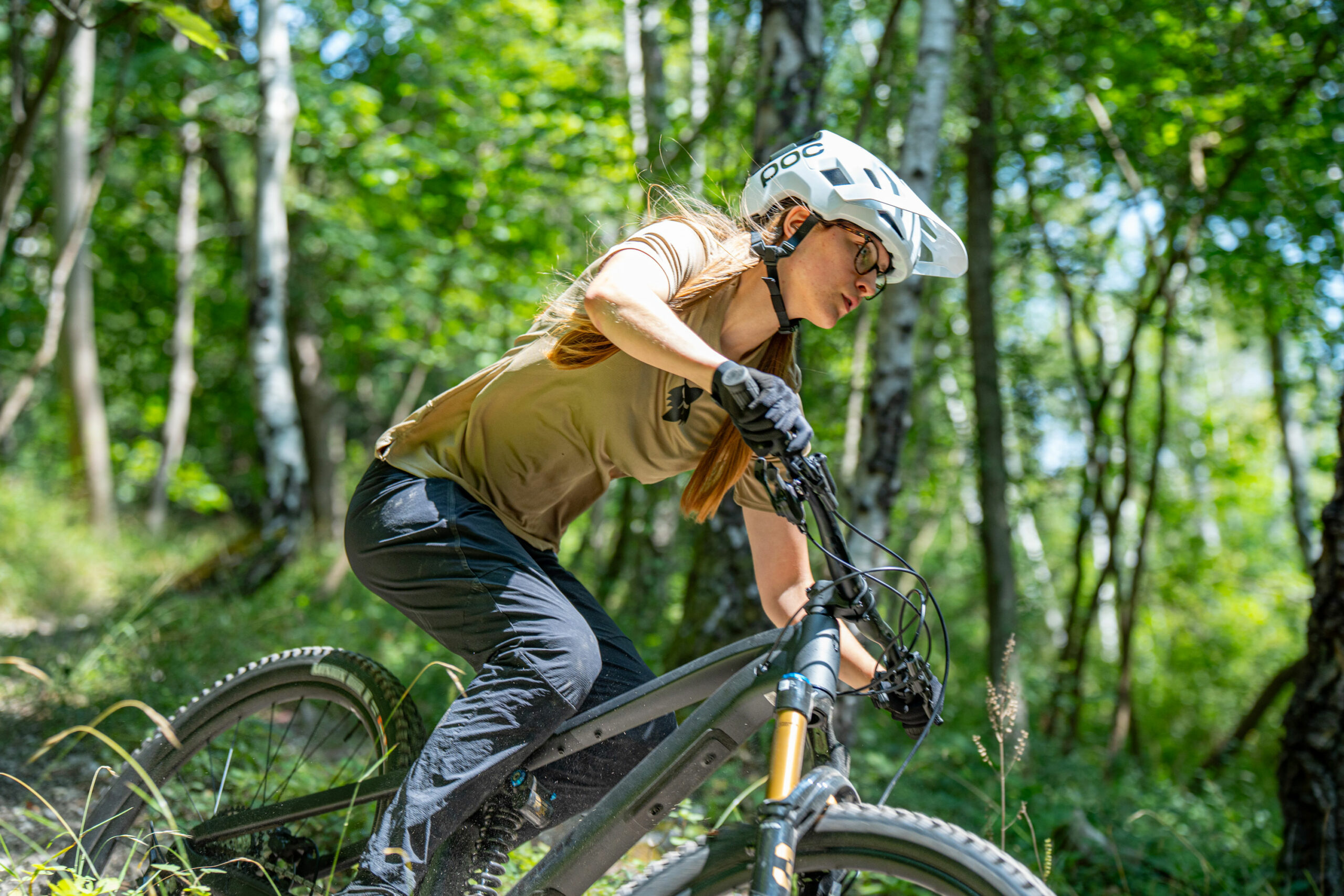
When you’re riding a bike, you need to be prepared for anything. Even more so with mountain biking – the unpredictable nature of the terrain means there is a chance you’ll eventually get caught off guard and take a fall. Luckily, with the right protective equipment, you need not worry.
A helmet should, of course, be on the top of the shopping list for every rider. But with so many amazing options, how do you choose which helmet is right for you?
In this article, we’ll be breaking down some of the best MTB helmets of 2026, across open and full face, plus some of our favourites under £100!
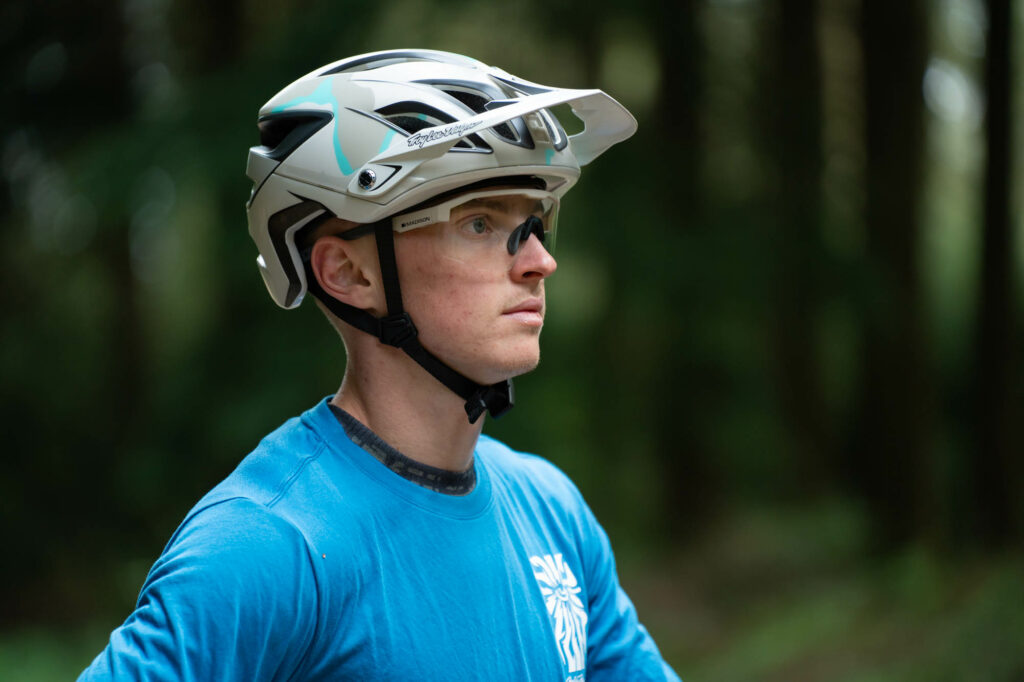
Table of Contents
- The Best Open-Face MTB Helmets
– Troy Lee Designs A3
– Fox Racing Speedframe Pro
– Specialized Ambush 3
– Fox Speedframe Pro Grid
– POC Kortal Race - The Best Full-Face MTB Helmets
– Fox Racing Rampage
– Troy Lee Designs D4 Carbon
– Endura MT500
– Cube Descender
– Specialized Dissident 2 - The Best MTB Helmets Under £100
– Specialized Camber
– Met Shelter
– Troy Lee Designs Flowline
– Endura Hummvee Plus
– Lazer Phoenix Full-Face - Frequently Asked Questions About MTB Helmets
The Best Open-Face MTB Helmets
Open-face (or half-shell) MTB helmets are often the go-to for trail riders, as they can be worn all day, uphill and downhill, without risk of overheating.
Troy Lee Designs A3 MIPS MTB Helmet
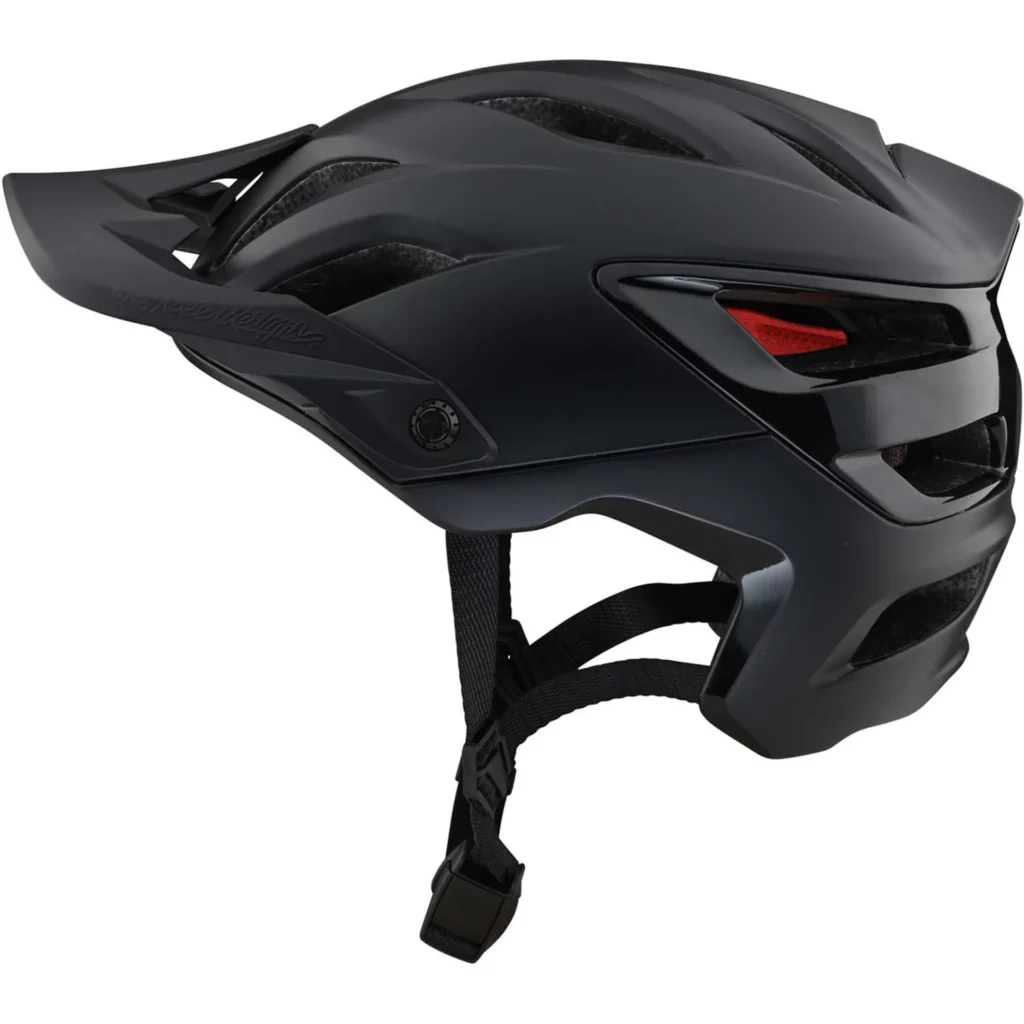
Troy Lee’s open-face helmets have adorned the heads of your favourite riders for years, and with good reason. Building on the success of the A2, the Troy Lee Designs A3 puts safety at the front and centre. Made from EPS and EPP foams, this helmet offers equal protection across high and low-speed impacts (because not every crash is the same!). The A3 also extends further down the back of your head than the previous model, offering additional coverage.
Eyewear has also been taken into careful consideration, with the adjustable visor attaching in 3 positions, offering ample goggle storage and working with a wide range of optics.
Key Features:
- MIPS for additional protection against rotational impact forces
- Adjustable visor
- EPS & EPP foams for high & low speed impact energy management
- TLD’s deepest coverage helmet
- Extremely breathable – making use of 16 vents with optimised channelling
- Removable padding
- V2 Fidlock magnetic buckle for easy on/off
Fox Racing Speedframe Pro MTB Helmet
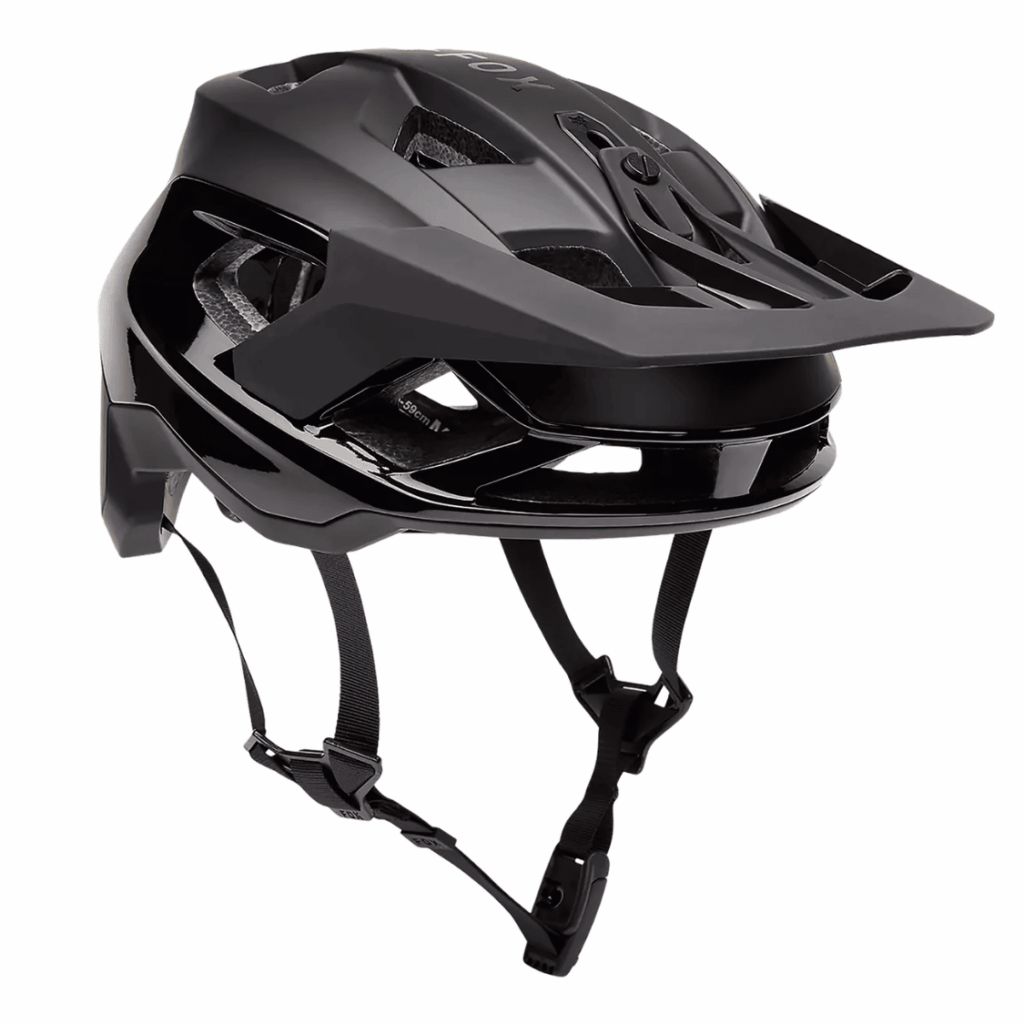
The Fox Racing Speedframe Pro has earned the highest Virginia Tech rating (5*) thanks to its combo of MIPS Air Node protection system and dual-density Varizorb EPS foam that spreads forces across a wider area, redirecting forces away from your brain in the event of a crash.
A BOA fit system allows for micro-adjustability and a perfect fit for every rider, and the Speedframe Pro’s Ionic+ liner is antimicrobial and moisture-wicking, as well as being easily removable for washing.
One of our favourite things about this helmet, however, is the sunglasses-specific storage solution. The Speedframe Pro features an adjustable visor that allows you to fit either goggles or glasses, and can hook your glasses securely under your visor when not wearing.
Our Ambassador, Nick, has been wearing the Fox Speedframe Pro for the past year and tells us it’s the comfiest helmet he’s used to date.
Key Features:
- MIPS Air Node protection system
- Dual-density Varizorb EPS foam
- BOA dial for precision fit
- Fidlock Snap helmet buckle for easy entry and exit in gloves
- Adjustable visor features sunglasses-specific storage solution
- Removable antimicrobial Ionic+ liner manages odour and wicks moisture
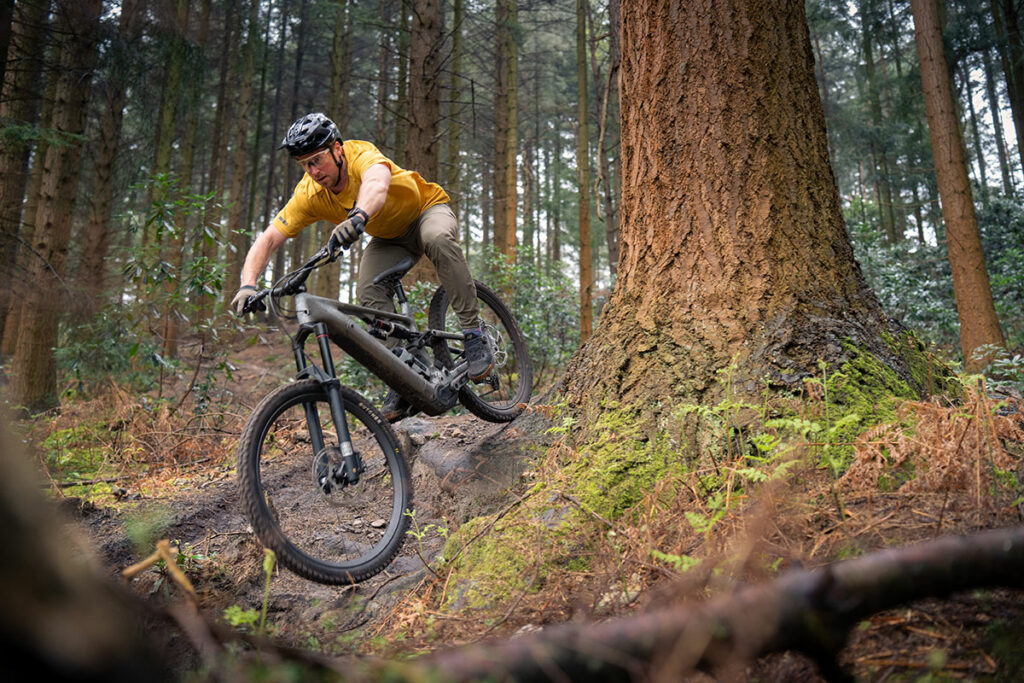
Specialized Ambush 3 MTB Helmet
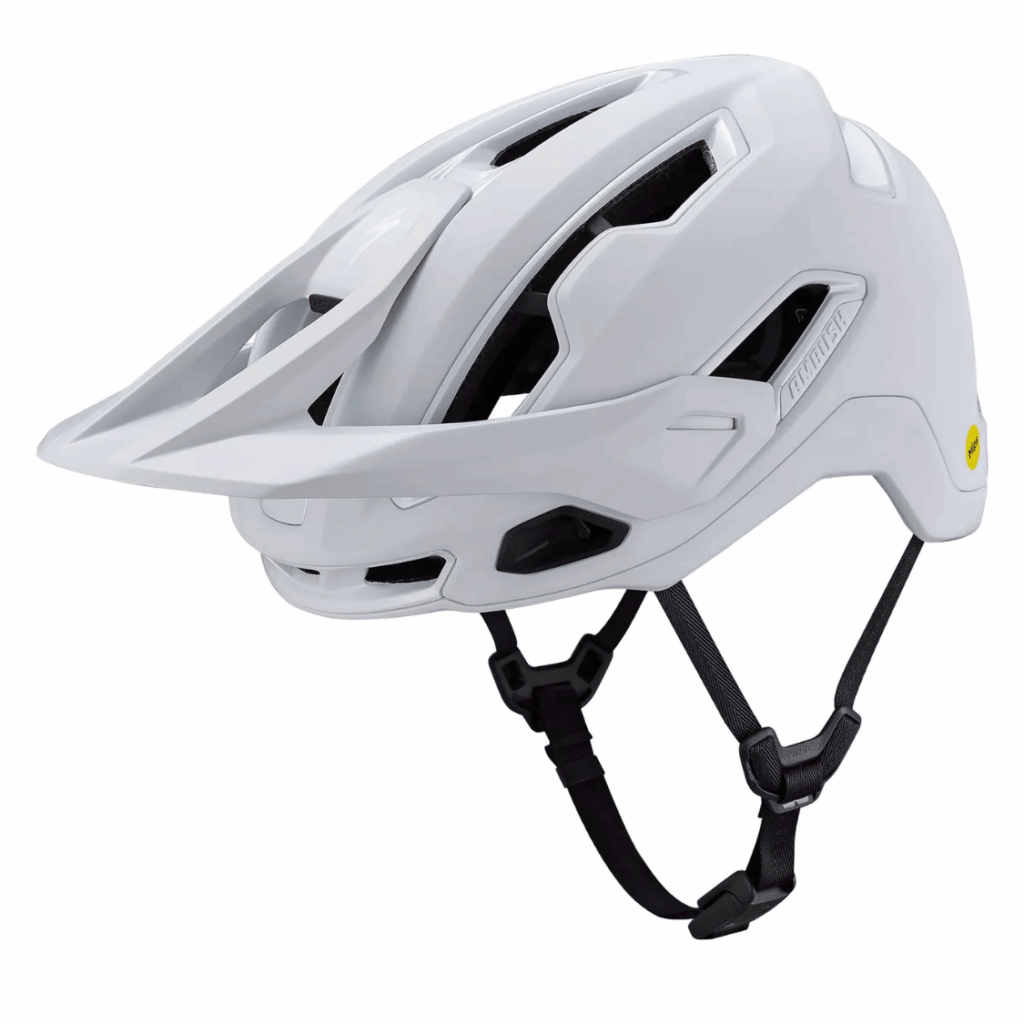
Specialized updated their popular Ambush helmet in 2026, improving in all areas.
A key change is in the visor, which is now 4-posiiton adjustable (vs a fixed visor in the Ambush 2) for better compatibility with goggles/glasses, as well as featuring a flat zone for mounting action cameras/lights. Secured channels in the main helmet body will hold your glasses firmly in place, and a magnetic Fidlock clasp makes getting the Ambush on and off extremely efficient.
Like the previously mentioned Speedframe Pro, the Specialized Ambush has been awarded a 5* Virginia Tech safety rating – the highest rating a helmet can receive. So you know you’re in safe hands!
Key Features:
- Internal composite AirCage with MIPS Air Node system integration
- 4-position adjustable visor
- BOA Fit System for rider-specific micro-adjustments
- Fidlock magnetic buckle
- Replaceable soft padding with TriFix system
Fox Racing Dropframe Pro Grid MTB Helmet
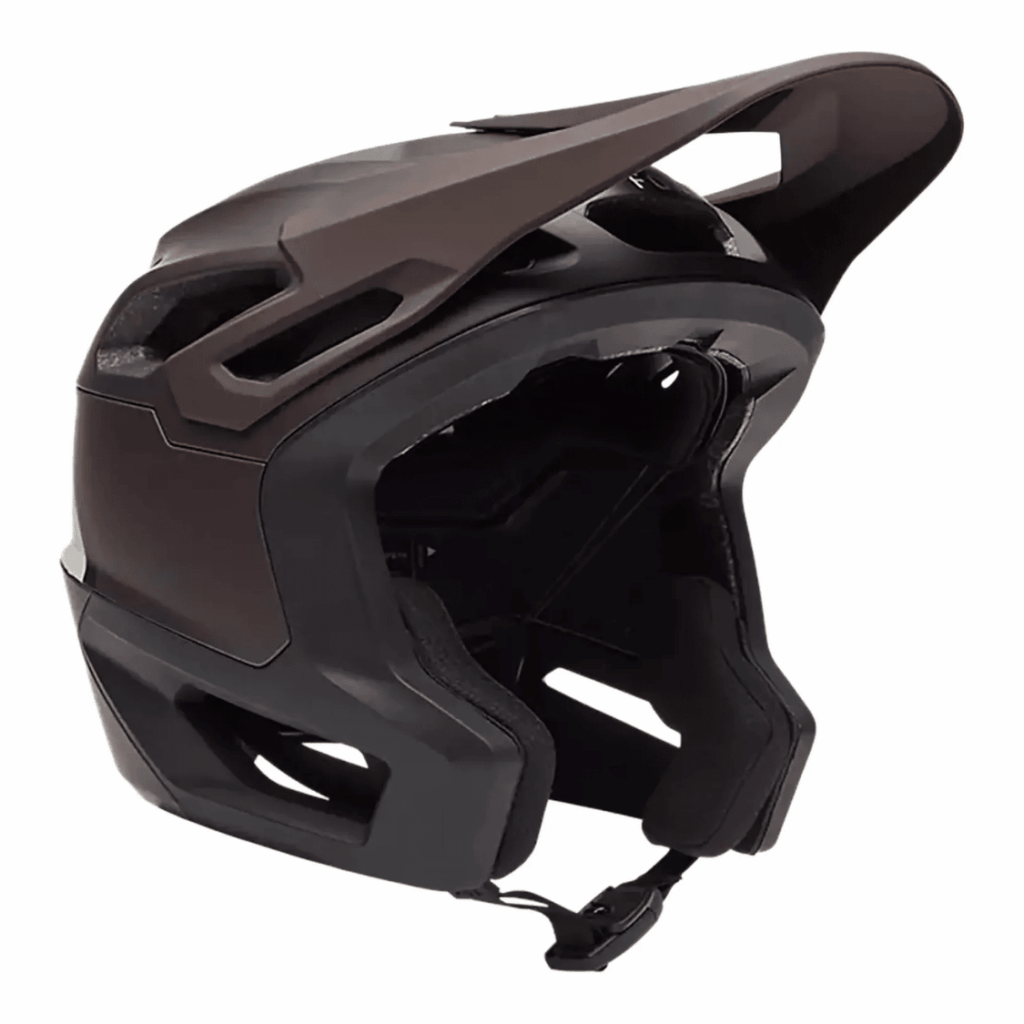
If you want some extra coverage, but not the heat and faff of a full-face helmet, then the Dropframe could be the perfect compromise. The Dropframe features increased coverage for the ears, jaw and back of the head, offering you the highest level of protection without moving to a full-face option.
8 big-bore vents and 7 exhaust vents will help keep you cool and manage moisture. The padding is also fully removable and antimicrobial.
Key Features:
- MIPS equipped
- Dual-density Varizorb EPS provides improved protection
- Increased coverage for the ears, jaw and back of head
- 8 intake vents and 7 exhaust vents for cooling
- Removable antimicrobial/moisture wicking liner
POC Kortal Race MIPS MTB Helmet
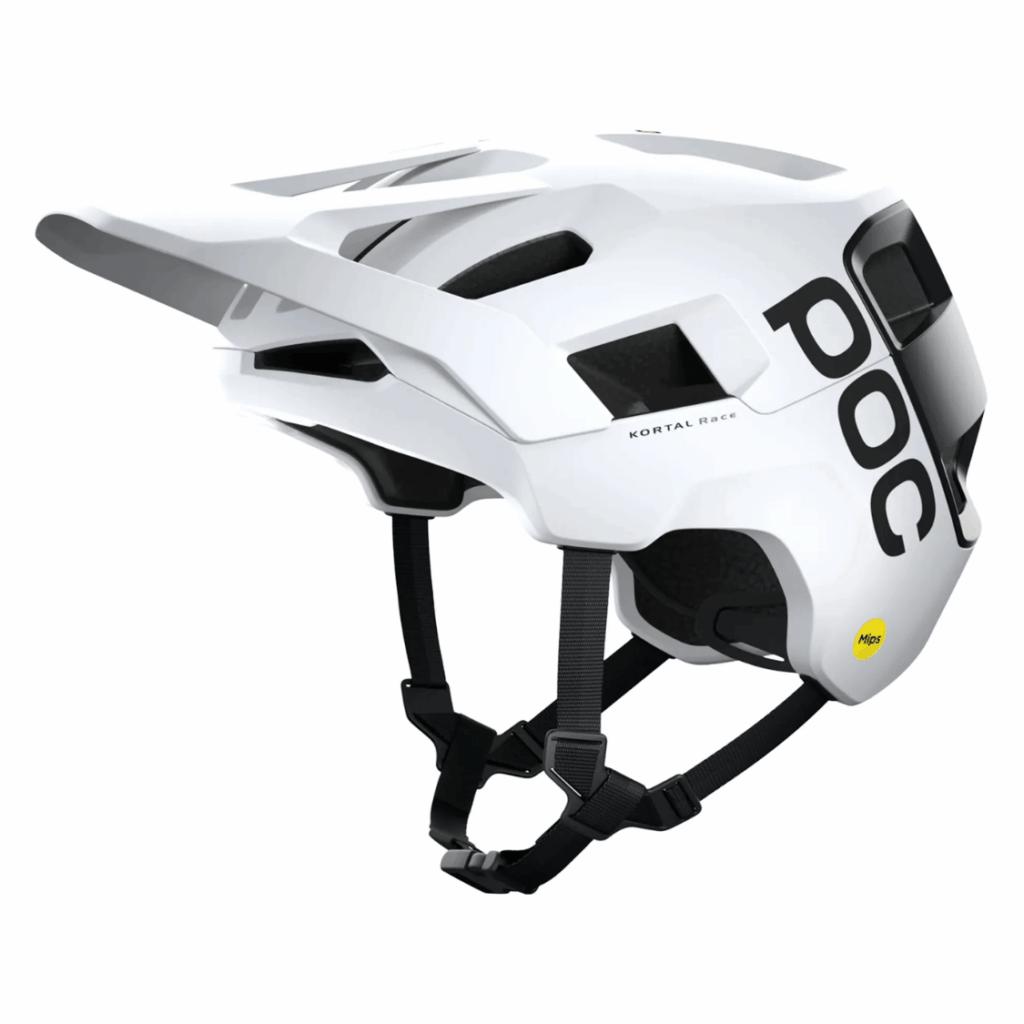
Another trail/enduro focused helmet with excellent coverage and superior ventilation.
As you’d expect with any high-end helmet, the POC Kortal Race features MIPS impact protection, but what makes this helmet unique is the option to store your vital information in an integrated NFC Medical ID, so it can be accessed instantly at the scene of a crash.
This helmet is also certified for use with e-bikes, as the helmet passed the Dutch NTA8776 standard, which tests at higher impact speeds than for standard bicycle use.
Key Features:
- Patented breakaway peak – will snap off in a crash, protecting your neck and reducing the chance of injury
- MIPS Integra – new, almost invisible rotational impact protection
- NFC Medical ID
- RECCO Reflector – helps rescue services easily and quickly locate you if needed
- Goggle/Glasses compatible with ample storage under the visor or at the rear of the helmet
- Unibody shell & EPS liner for optimised protection and structural integrity
So that’s our top 5 best MTB helmets in the open-face category, but what about the full-face options? If you’re a big hitter, or you just want that extra bit of security, then a full-face MTB helmet makes perfect sense.
The Best Full-Face MTB Helmets
A full-face MTB helmet offers the maximum amount of coverage and is the preferred choice for Downhill and Enduro racers, bike park riders and riders that love to send big jumps or ride technical terrain at speed.
Fox Racing Rampage MIPS Full-Face MTB Helmet
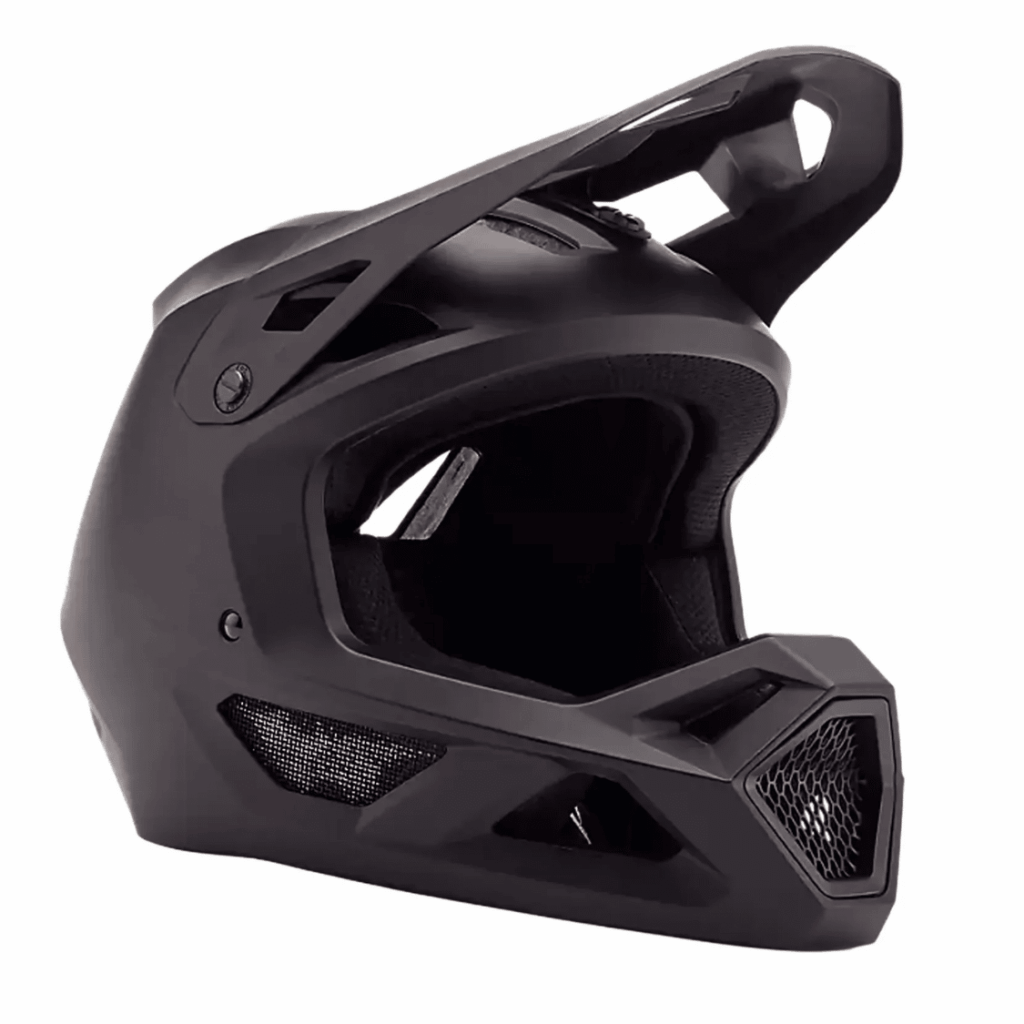
A classic, affordable full-face helmet, based on Fox’s top-of-the-range Rampage Pro Carbon.
360-degree ventilation provides superior airflow – perfect for those big days where you don’t want to be taking your helmet on and off every 5 minutes. MIPS protects you from rotational motion by absorbing and redirecting energy/forces that would otherwise be transmitted to your brain.
A double D-Ring closure secures this helmet in place, and an adjustable goggle-compatible visor means you can quickly remove and secure your goggles.
Key Features:
- MIPS protection system
- Lightweight injection-moulded ABS shell with excellent ventilation
- Adjustable visor, goggle-compatible
- Double D-Ring closure
- Meets NTA-8776 e-bike helmet certification standards
Troy Lee Designs D4 Carbon Full-Face MTB Helmet
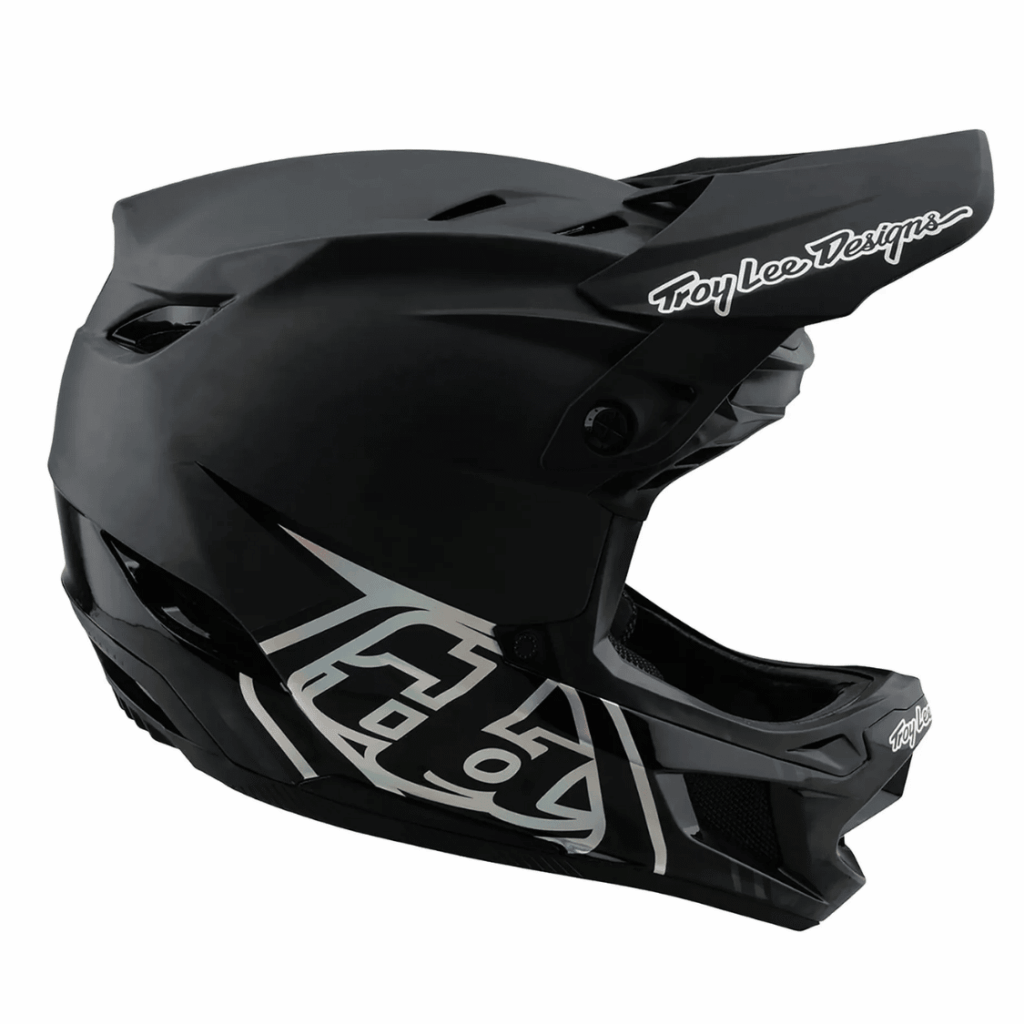
The D4 is Troy Lee’s flagship full-face mountain bike helmet, and its spread-tow carbon fibre shell features a thinner, lighter and stronger construction that provides greater impact tolerance. This is teamed with integrated MIPS technology, making the D4 one of the lightest and safest full-face helmets on the market.
Its visor is designed to break away on impact, protecting your neck from taking the brunt of the forces, and quick-release cheek pads offer a comfy but secure fit.
Key Features:
- Spread tow carbon fibre shell
- MIPS protection system
- Collarbone suspension system
- Lightweight titanium D-rings & hardware
- Breakaway visor screws
- DH & BMX certified
- Comes with TLD helmet bag
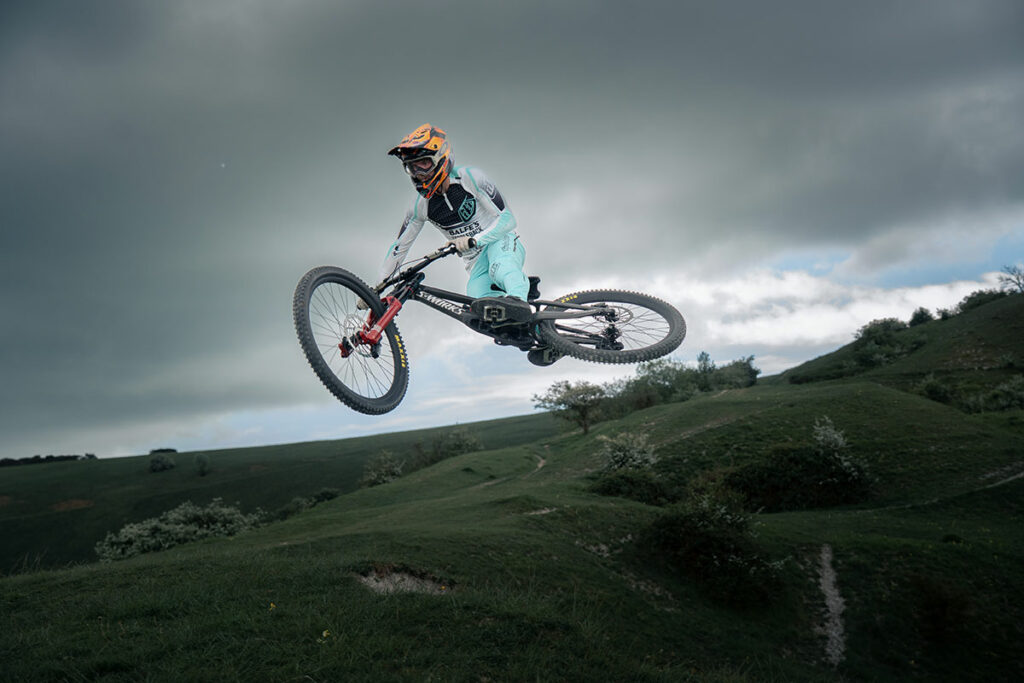
Endura MT500 Full-Face MTB Helmet
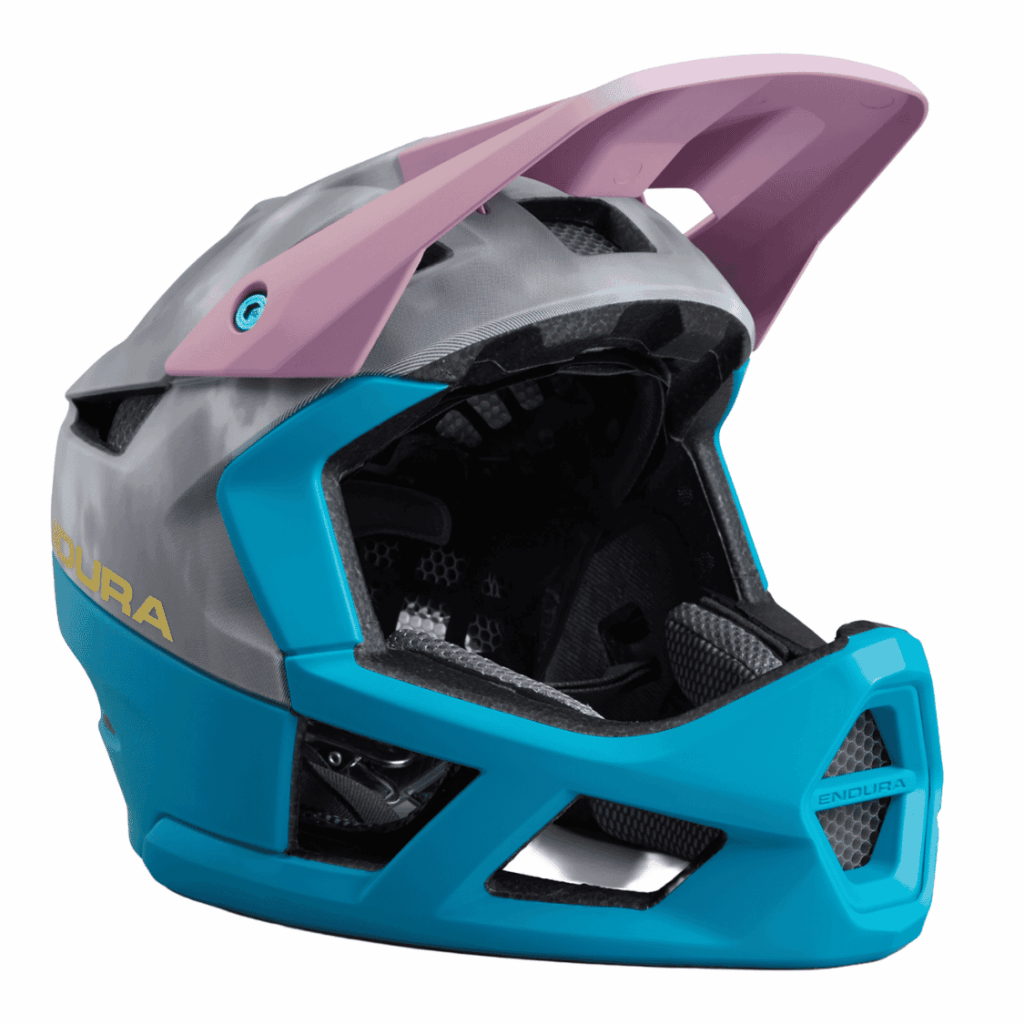
Weighing in at just 640g (Size M/L), this helmet is lightweight but offers a host of features that make this a great contender for your next lid.
The Endura MT500 Full Face Helmet uses 3D formed Koroyd inserts for enhanced airflow and improved energy absorption. This creates one of the most breathable and lightweight helmets on the market, while also providing superior impact protection.
This helmet is certified for Downhill use (ASTM F1952), meaning it has undergone rigorous safety testing.
Key Features:
- Fully integrated Koroyd core for superior energy absorption.
- Large vents including top air intake zone and large diameter Koroyd tubes for increased airflow
- Fully Goggle compatible
- Moisture-wicking padding
- Covered by Endura’s Crash Replacement Policy & Product Guarantee
Cube Descender Full-Face MIPS Helmet
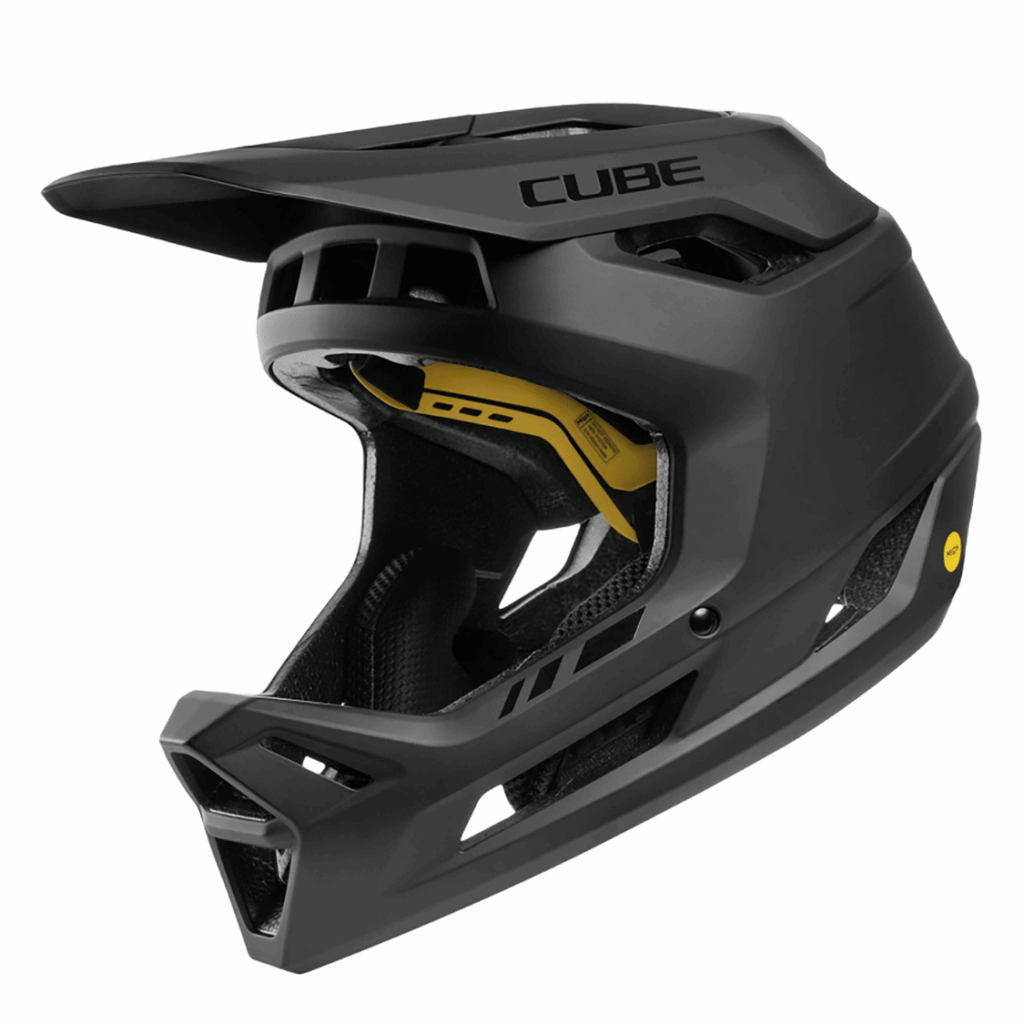
Developed in-house by the team at Cube, the Descender offers protection and performance for aggressive terrain. A breakaway visor helps keep your neck safe, along with a durable ABS outer shell and MIPS technology to reduce impact and rotational forces.
21 vents offer excellent airflow, and a Fidlock buckle makes for an easy on/off. You’re getting a lot of bang for your buck with this helmet.
Key Features:
- MIPS protection system
- Durable ABS shell
- Breakaway visor
- 21 Air Vents
- Fidlock magnetic buckle
- Adjustable fit with replaceable cheek pads
Specialized Dissident 2 Full-Face MTB Helmet
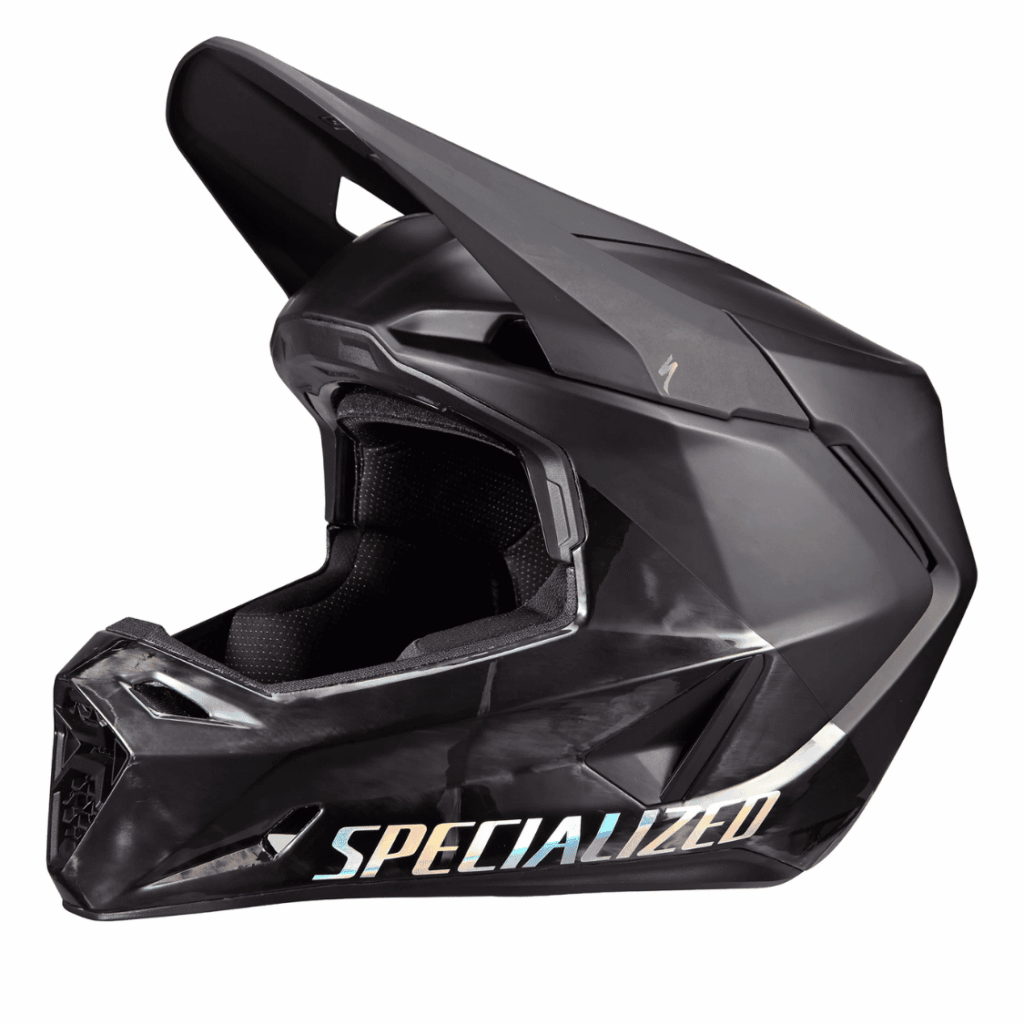
The Dissident 2 was developed in collaboration with two of the world’s fastest downhill racers, Loic Bruni and Finn Iles. The task was clear: develop a helmet that would meet the highest demands of downhill mountain bike racing – offering confidence, a modern-style fit, and breathability.
We’re pleased to say they nailed the brief.
Five strategically placed EPS foam inserts are tuned for higher and lower density foam based on where it sits inside the helmet, allowing the helmet to remain lightweight while still managing energy.
MIPS Evolve uses fabric pocket attachments inside the helmet to reduce creakiness while still giving you excellent protection from rotational forces.
Key Features:
- 3-layer construction (Carbon shell/polycarbonate/EPS)
- MIPS Evolve – to reduce bobble head and creakiness
- Breathability optimised with hood scoop to channel airflow
- 5 unique pieces of EPS tuned to optimise performance in each location
- Travel bag included
The Best MTB Helmets Under £100
For riders looking for a budget-friendly option that still offers excellent protection, check out 5 great MTB helmets you can snap up for under £100.
Specialized Camber MIPS MTB Helmet – RRP £50
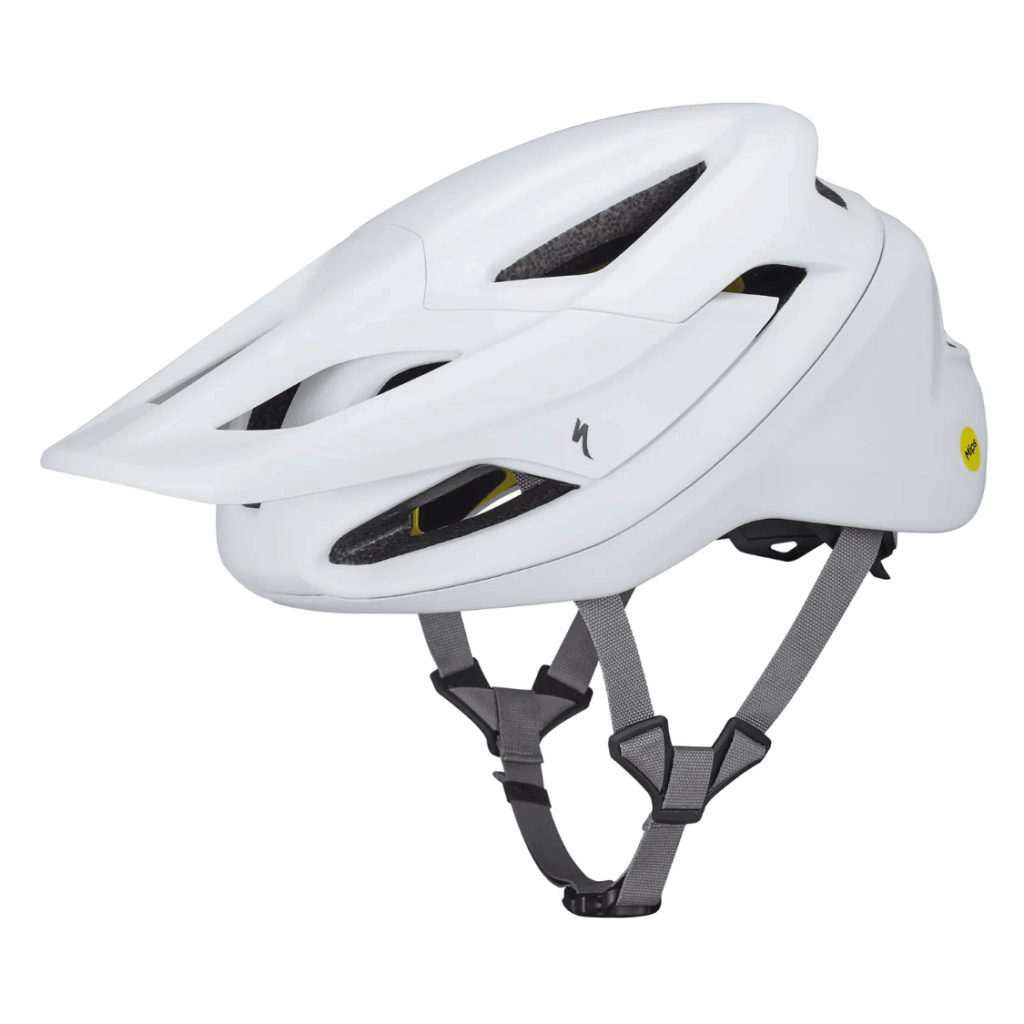
A MIPS-equipped helmet at this price point is a bit of a steal. You are sacrificing an adjustable visor at this price point vs the Ambush/other models, but if that doesn’t bother you, then this helmet is a stylish, breathable helmet with a 5* Virigina Tech Rating for safety that you absolutely shouldn’t overlook.
Key Features:
- Virginia Tech 5* Rated
- MIPS system included
- XS to XL sizes available
- 4th Dimension Cooling System optimises ventilation
MET Shelter MIPS MTB Helmet – RRP £90 (On Sale for £65)
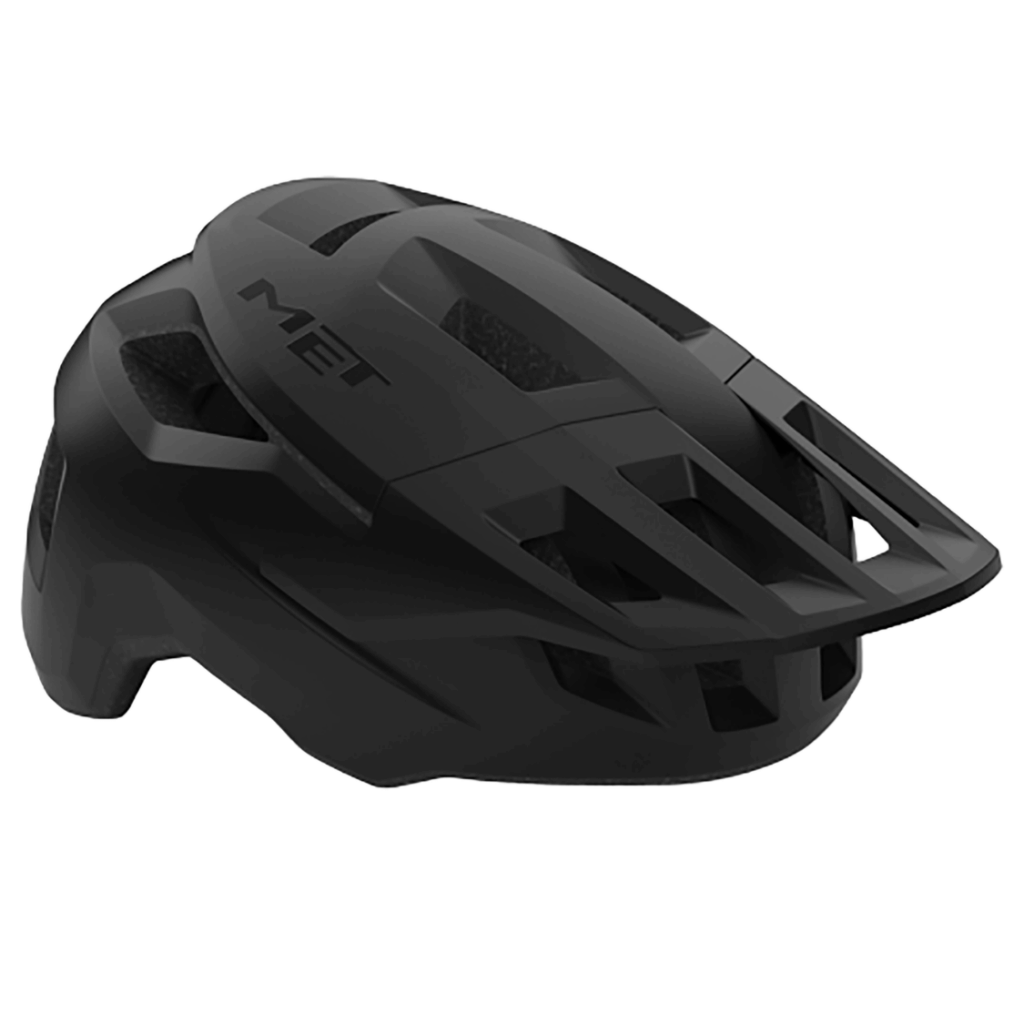
A great looking helmet available in several different colourways, with MIPS protection and extended back of head coverage. The MET Shelter also offers a 360-degree head belt that helps avoid any pressure points on the perimeter of your head. You’ll also find comfort sunglasses ports to securely dock your sunglasses while climbing or resting.
Key Features:
- MIPS rotational management system
- In-mould polycarbonate shell with EPS liner
- Integrated visor design
- Extended back of head coverage
- Safe-T Sport fit system
- 12 vents with an internal, engineered cooling system and sunglasses port
Troy Lee Designs Flowline MIPS MTB Helmet – RRP £100 (On Sale for £85)
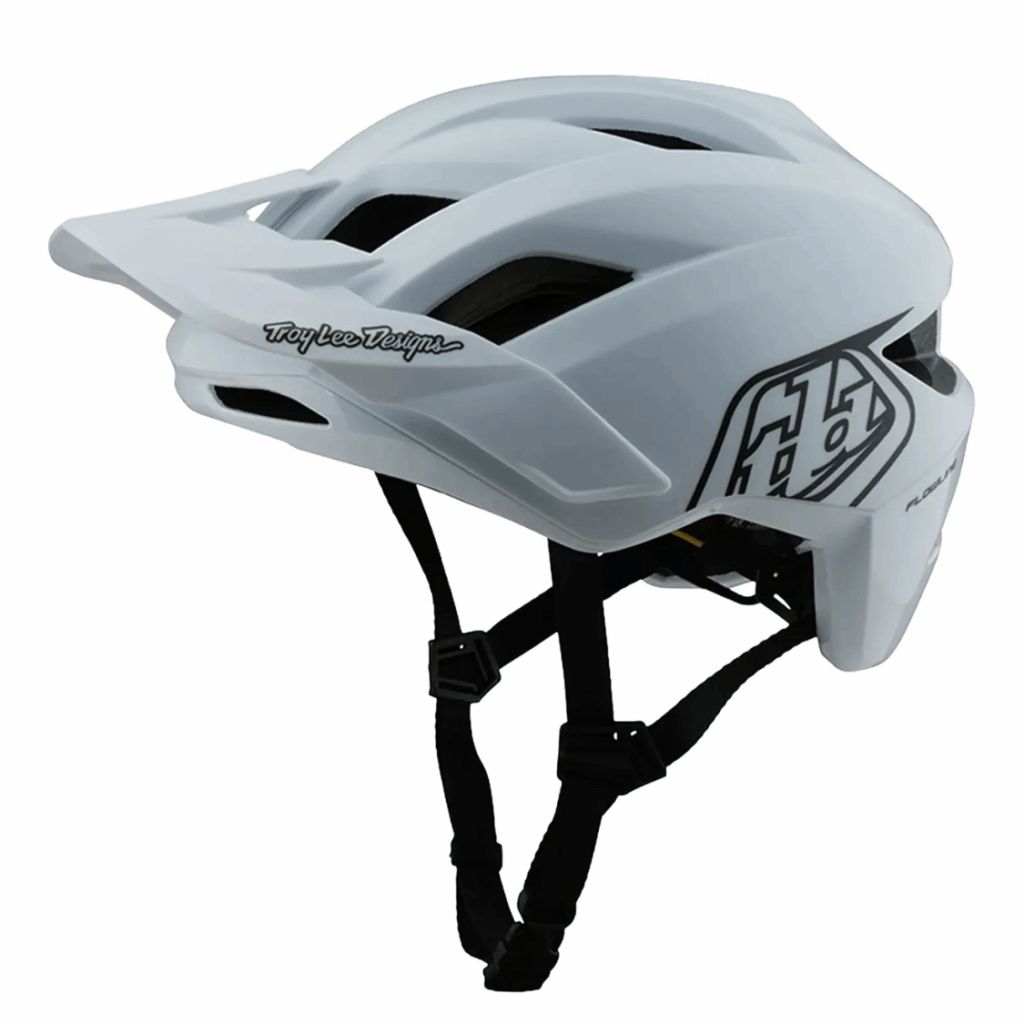
Troy Lee’s unique styling comes to a more entry-level price point in the Flowline MIPS MTB helmet. 14 vents allow a high level of airflow through the helmet while you’re riding, and the soft inner liner will stop sweat running into your eyes on those hot summer trail days. The TLD Flowline has a three-position adjustable visor, so will accommodate your chosen eyewear well.
Key Features:
- MIPS technology to protect from rotational forces on impact
- EPS foam guards your head against high-speed impacts
- Extended coverage on back of head
- 14 vents to keep your head cool
- 3-position adjustable, screwless visor
Endura Hummvee Plus MIPS Helmet – RRP £90 (On Sale for £65)
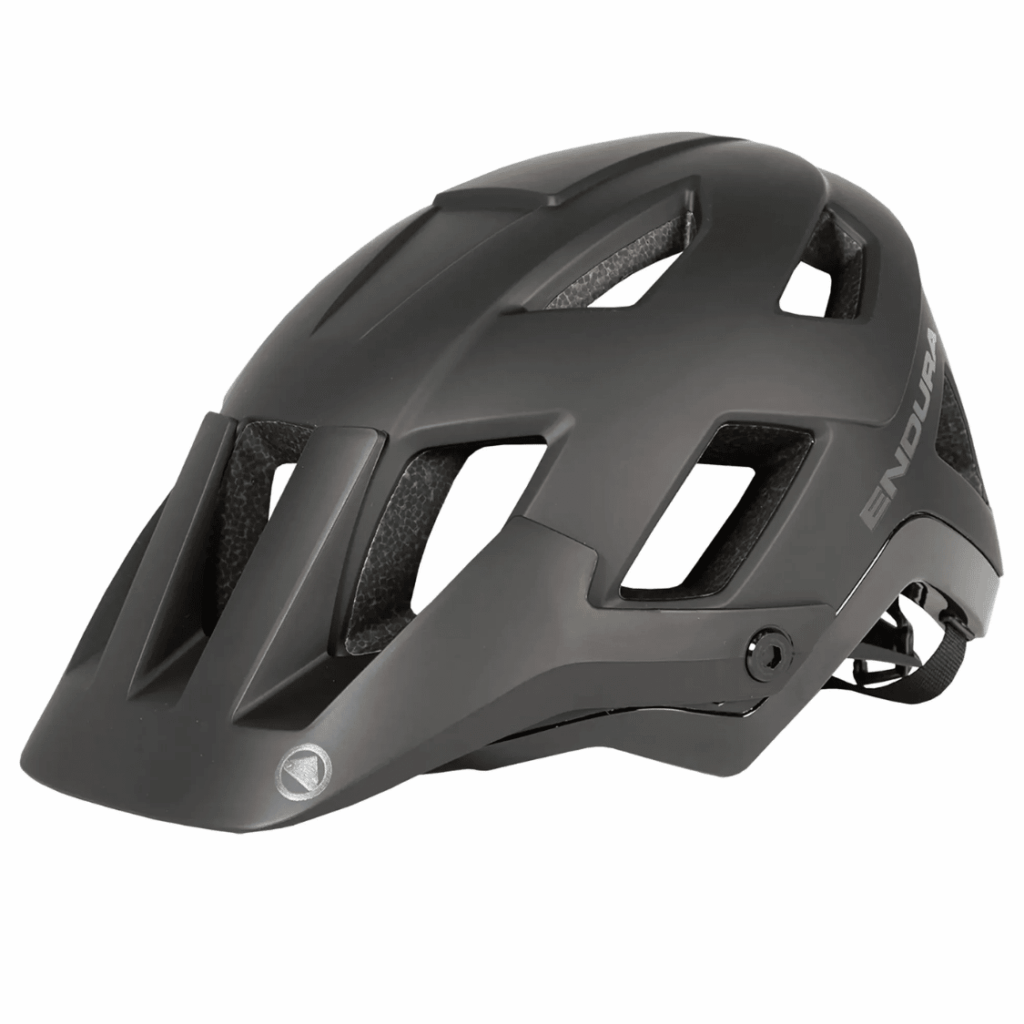
Endura built this helmet to be your go-to choice for all rides. From the trails to city streets, this helmet works in all scenarios. MIPS will reduce the danger from rotational impact forces, and multiple large vents will keep your head cool in a range of conditions. You’ll also benefit from a removable, adjustable visor offering a wide range of movement.
Key Features:
- Lightweight in-mould construction
- MIPS Brain Protection System
- Removable, adjustable visor
- Large cooling vents
- One-handed micro-adjust fit system
Lazer Phoenix Full Face MTB Helmet – RRP £100 (On Sale for £75)
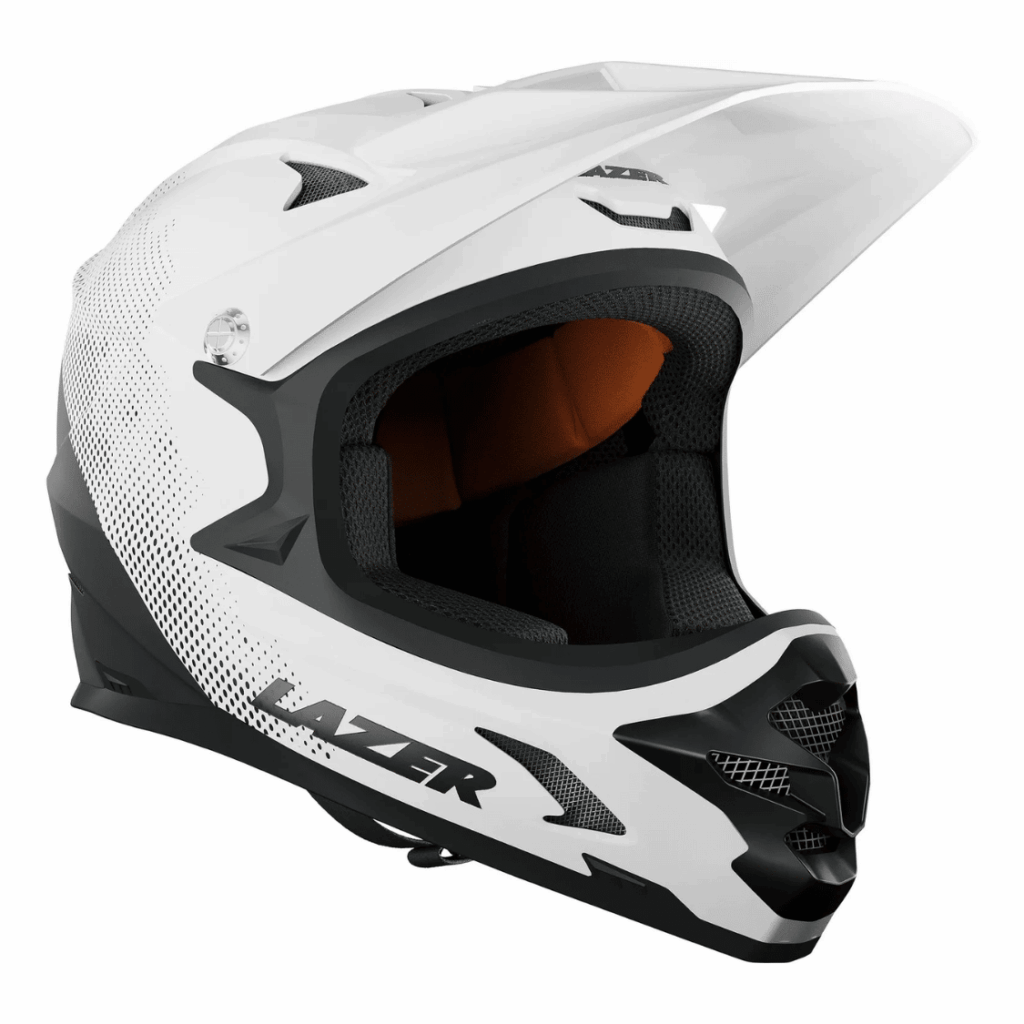
The Lazer Phoenix is inspired by Moto helmet design, offering a double D-ring buckle and big peak with simple adjustment.
Fibreglass composite construction keeps the weight low, and 16 cooling vents channel excellent airflow throughout, keeping you cool while you have your helmet on.
Key Features:
- Fibreglass composite construction
- 16 cooling vents
- Large moto-inspired peak with easy adjustment
- Double D-ring buckle for security of fit
- Multiple-thickness padding
Want to see more helmet options? We have lots to choose from over on our website, from all your favourite MTB brands.
Frequently Asked Questions About MTB Helmets
How do I know if my mountain bike helmet fits properly?
A correctly fitting helmet is far more important than scoring style points on the trail. Without the correct fit, your helmet may be unable to do its job in the event of a crash.
Your helmet should sit comfortably on your head, feeling snug all the way round without creating pressure points. If you shake your head, your helmet should not move independently of your head.
Your helmet should also sit level on your head, with around a 2-finger gap between your eyebrows and the front edge. Once your helmet is sat level and in a comfortable position, twist the retention dial to secure your fit.
The chin strap of your helmet should allow for around 2 fingers between the underside of your chin and the strap.
When should I replace my mountain bike helmet?
As a general rule, you should replace your helmet after any significant crash, even if there are no signs of damage. Helmets are designed to absorb impact energy just once, and the foam can become compromised even without any obvious damage.
If you’ve been lucky enough to avoid any crashes, most manufacturers recommend replacing your lid every 3-5 years, depending on how much you’ve been riding and how the helmet has been stored. UV exposure, sweat and general wear and tear can degrade the materials over time.
Do I need a full-face helmet, or is an open-face helmet enough?
This one is dependent on the type of riding you are likely to be doing. If you’ll be riding gentle trails and cross-country routes, then an open-face helmet is likely enough, and will keep you cooler than a full-face.
If you’re riding bike parks, downhill courses and high-speed, high-consequence tracks then a full-face helmet is an absolute must. Modern full-face MTB helmets have been developed to be as lightweight and breathable as possible – gone are the days of heavy head bobber helmets.
Many brands also make a trail-specific full-face helmet. Made of even lighter materials and with more/larger vents, these helmets are designed for the trail rider who wants a little more coverage, but also to keep cool when pedalling up.
What is MIPS, and is it worth paying extra for?
MIPS (Multi-directional Impact Protection System) helps to reduce the rotational forces during certain angled impacts. MIPS uses a low-friction layer in the helmet that rotates relative to your head, allowing some of the forces to be redirected in the event of a crash.
No helmet will prevent every injury, but riders generally feel that MIPS is worth paying the extra for, especially if you’re riding more technical terrain. Most of the best MTB helmets now come equipped with MIPS or comparable technologies.
How much should I spend on an MTB helmet?
A properly certified MTB helmet for £50 will still provide excellent protection, provided it fits you properly. Safety standards are the same at all price points, so a certified helmet will have been through rigorous testing before it’s brought to market.
At the higher price points, you’ll generally be paying for comfort and convenience. Higher-end helmets tend to offer things like better ventilation, lower weight, improved fit systems, adjustable visors, eyewear storage and rotational impact technologies like MIPS. If you’re riding several times a week, these features do make a difference to your comfort and enjoyment on the bike.
What’s the difference between an MTB helmet and a Road helmet?
Both road and MTB helmets will meet the same core safety standards, but MTB helmets are designed specifically for off-road riding. They typically feature more coverage around the sides and back of your head, where impacts are more likely on technical trails. They also feature a visor to shield your eyes from the sun, rain and low-hanging branches.
Some MTB helmets go through further testing, so that they can be certified for downhill or e-bike use (where the impact speeds may be higher).
Road helmets generally focus on maximum ventilation and/or aerodynamics, and are less practical on the trails. Though you will often see XC MTB riders wearing road lids on the trails! But generally, a dedicated MTB helmet will offer greater protection and more trail-friendly features.
How do I clean and look after my MTB helmet?
Keeping your helmet clean helps prolong its lifespan. Remove the internal pads and wash them regularly with warm water and a mild soap before letting them air dry. The outer shell can be wiped off with a damp cloth after muddy rides.
Avoid using harsh chemicals, solvents and pressure washers as these can damage the helmet’s protective materials. It is best to store your helmet away from direct sunlight as UV rays can also degrade its materials.
What safety certifications should I look for in my MTB helmet?
In the UK and Europe, all helmets must meet the EN1078 standard as a minimum. If you’re buying a full-face MTB helmet, you may also want to look for the ASTM F1952 certification, as this involves more demanding impact testing.
Beyond the mandatory certifications, many riders look at independent tests such as Virginia Tech, which is widely seen as the authority in independent helmet safety testing. Independent testing can help you decide on the best MTB helmet for your riding style and preferences.
Can I wear goggles or glasses with any MTB helmet?
Most modern MTB helmets are designed to be worn with either goggles or glasses, though compatibility will vary between brands and models. Many trail and enduro lids have adjustable visors that allow you to store your goggles underneath when not in use, or specific sunglasses storage vents.
It is worth trying your helmet and glasses/goggles together before buying to ensure a secure and comfortable fit, as this will make a noticeable difference on long rides.
What features actually matter on an MTB helmet?
First and foremost, the most important thing on any helmet is a secure and comfortable fit. A helmet that fits you properly will outperform a poorly fitting helmet every time. Beyond this, good ventilation, back of head coverage, and an easy-to-use retention system will leave you with an extremely well-rounded helmet.
Additional features such as MIPS are definitely worth considering as they add an extra layer of safety to your helmet. Adjustable visors and eyewear storage are a great addition if you wear glasses or goggles, and things like magnetic buckles can make it quick and easy to get your helmet on/off. Rather than focusing solely on price, find the helmet that matches your riding style and preferences, and is something you’d be happy wearing all day on the trails.
If you’ve got any further questions or need help choosing your perfect helmet, pop into one of our stores or reach out to our support team, who would be more than happy to help.