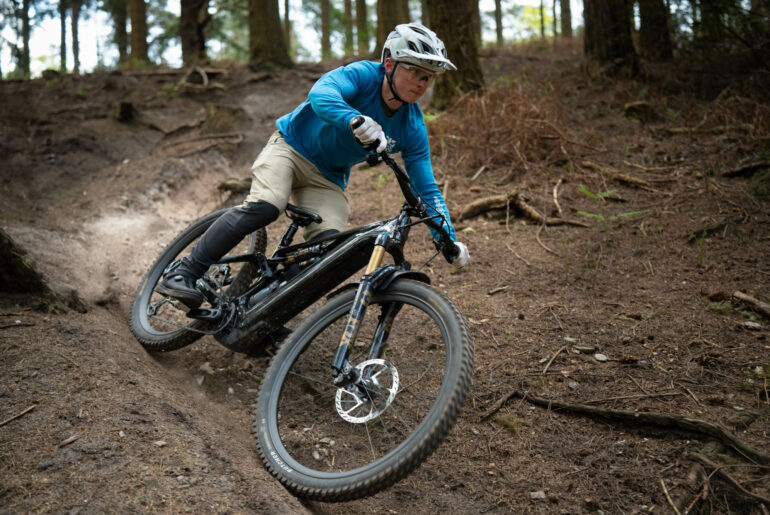
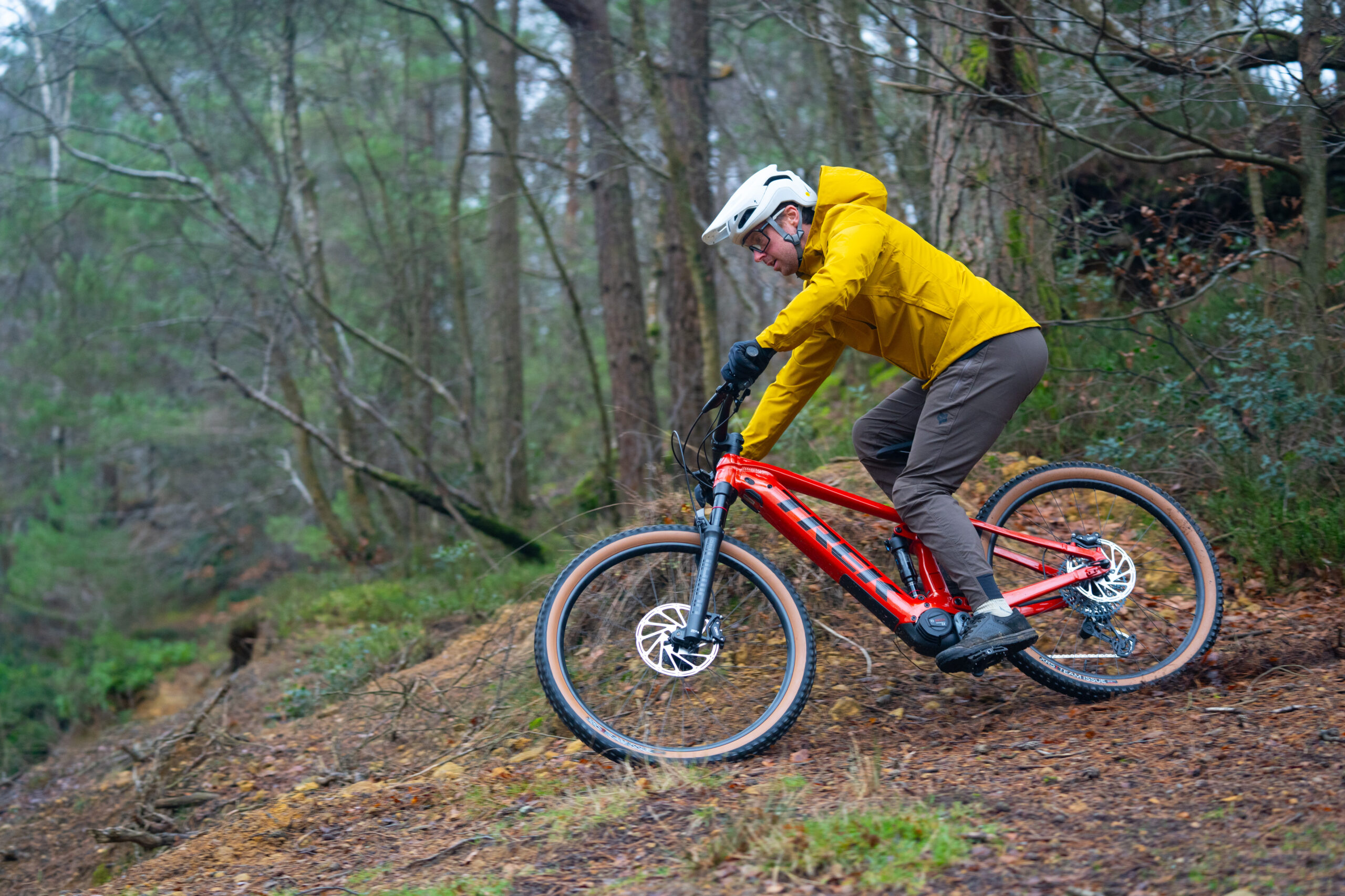
Riding through the winter can be some of the best fun you’ll have on a bike — quieter trails, epic muddy descents, and that unbeatable feeling of getting back home tired but buzzing. But let’s be real: if you’re cold, wet, and uncomfortable, it’s a very different story.
The right kit makes all the difference. Here’s our guide to the essential winter mountain bike clothing that’ll keep you warm, dry, and smiling through the slop.
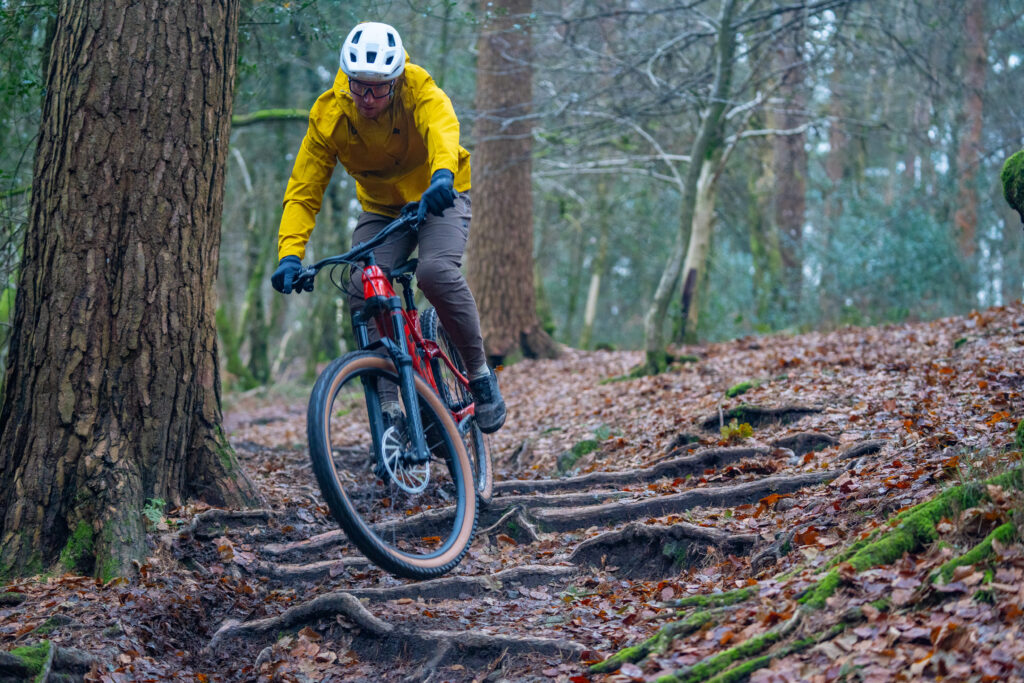
MTB Trousers
Why they matter: They keep you warm, dry, and protected from mud spray and undergrowth.
What to look for:
- Water-resistant or waterproof fabric with good breathability.
- Reinforced panels on high-wear areas (knees, seat).
- Tapered leg/ankle closures to avoid chain rub.
- Stretch materials for freedom of movement.
Pro tip: Look for trousers that work well with knee pads — slim fit at the calf but roomy around the knees.
Base Layers
Why they matter: Manage sweat and keep your core temperature stable.
What to look for:
- Merino wool (warm, naturally odour-resistant) or synthetic (faster drying).
- Long-sleeve options for extra coverage.
- Close fit to wick moisture efficiently
Pro tip: Avoid cotton, it holds moisture and will make you cold fast.
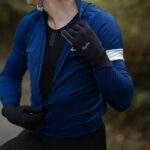
Long Sleeve Jerseys
Why they matter: Provide warmth and layering flexibility.
What to look for:
- Avoid cotton, as above with base layers, cotton will retain moisture and have you feeling cold pretty quickly.
- Thicker materials can be worn without a base layer in Autumn, or with one in the coldest months.
- Longer cut at the back for splash protection.
Pro Tip: Size up if you plan to wear armour underneath.
MTB Jackets
Why they matter: Stay warm and dry. The ideal top layer.
- Durable waterproofing, with ventilation.
- Windproof/Thermal options available for drier days.
- Multiple pockets.
- Helmet helmet-compatible hood is a bonus and stops water getting through the vents in your lid.
Pro Tip: Look for jackets with breathability features – pit zips, vent panels and/or lightweight breathable waterproof membranes. This will help you stay cool on those big climbs, or warmer wet days.
Waterproof Socks
Why they matter: There is nothing worse than cold, wet feet. Trust us.
What to look for:
- Multi-layer construction with a waterproof membrane.
- Merino or fleece lining for warmth.
- Stretch cuff to stop water ingress from above.
Pro Tip: Pair with winter-friendly shoes or overshoes for maximum protection.
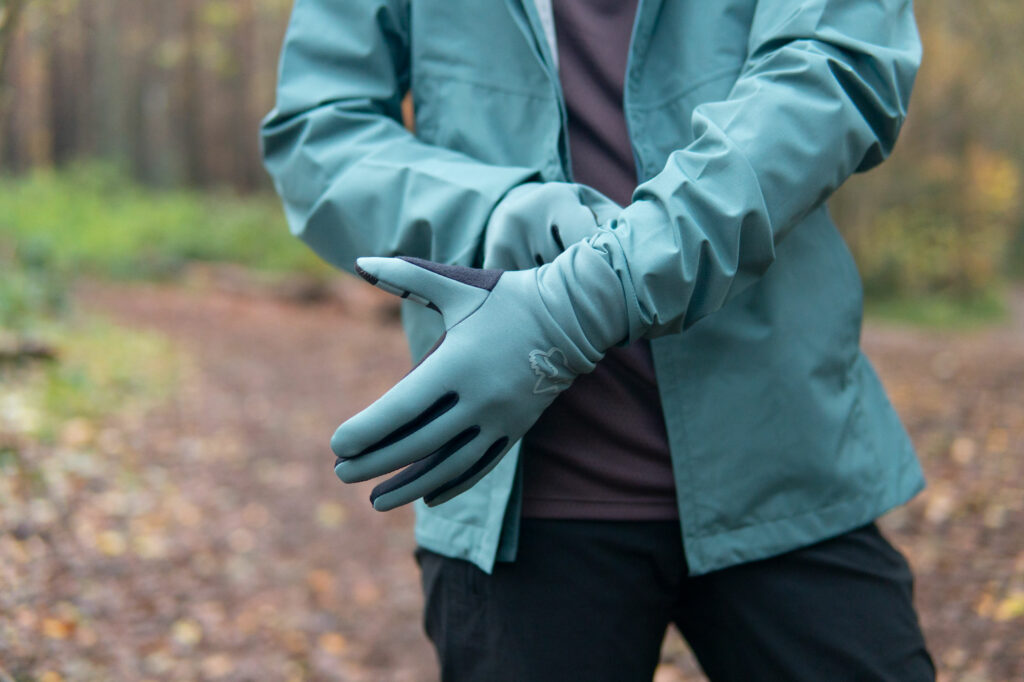
Gloves
Why they matter: Hands are exposed and easily chilled, but you still need dexterity for braking and shifting.
What to look for:
- Insulation without too much bulk so you can still grip bars securely.
- Grippy palms and touchscreen-friendly fingertips.
- Water-resistant/waterproof gloves are an option but need to balance waterproofing with breathability
Pro tip: Really thick gloves might sound like a great idea, but may leave you feeling disconnected from your bike. A glove that is insulated on top, but thinner on your palm/fingers provides a great balance.
Shoes
Why they matter: Canvas MTB shoes often aren’t enough in cold, wet conditions.
What to look for:
- Winter-friendly MTB shoes with water-resistant uppers and insulation.
- Wet laces can take time to dry. BOA dial shoes are a great choice for winter.
- Overshoes are a consideration, though generally favoured more by XC/Gravel riders.
Pro tip: Combine winter-friendly shoes with waterproof socks for double the wet protection.
Neck Warmers
Why they matter: Keep the chill off your neck and lock your warmth in.
What to look for:
- Thermal or merino for winter.
- Windproof panels for extra protection.
- Versatility (can be worn as a balaclava or headband).
Gilets
Why they matter: Add warmth without the bulk/heat of a full jacket
What to look for:
- Windproof front panel, breathable back.
- Water-resistant materials.
- Lightweight and packable for layering flexibility.
Pro Tip: Great for riders who overheat easily – will provide warmth for your core while keeping your arms free and cool.
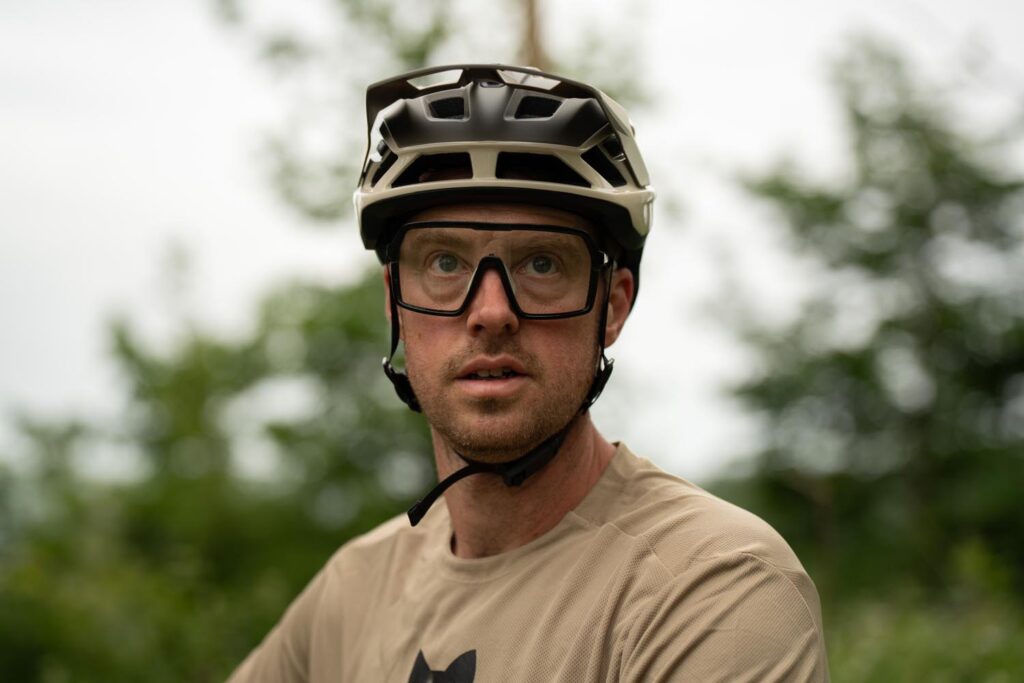
Eyewear
Why it matters: Protects your eyes from mud spray, rain, and windchill.
What to look for:
- Clear or light-tint lenses for gloomy winter conditions.
- Anti-fog coatings and good ventilation.
Pro tip: Ideal for riders who find their eyes water easily, especially in cold conditions.
Final Tips for Winter MTB Clothing
Layering is key: Start with a good base layer, add insulation, then a weatherproof outer shell. A packable jacket is a great option for the warmer, wetter days. A gilet is a great piece of kit if you overheat easily but want some protection from the cold.
Breathability matters: You’ll still sweat in winter so choose kit that vents well. Dress for the ride, not the car park – if you’re warm before you head out, you’ll be sweating on the bike!
Clever colour selection: Darker colours are practical; definitely save the white kit for summer.
Don’t over wash waterproof kit: Try to avoid washing your waterproof kit with generic detergent, and completely avoid fabric softener as it will degrade the waterproof coating over time. You can run a detergentless wash, or use technical garment cleaner and reproofer if needed.
Changing in the car park: If you don’t have a van to jump into for changing, a good changing robe will help protect your modesty (and the inside of your car).
Pack spares: A dry base layer or spare gloves can save the day on longer rides.
Bike prep: Winterise your bike, not just your body – don’t forget your mudguards!