
Which is Best for Performance and Comfort?
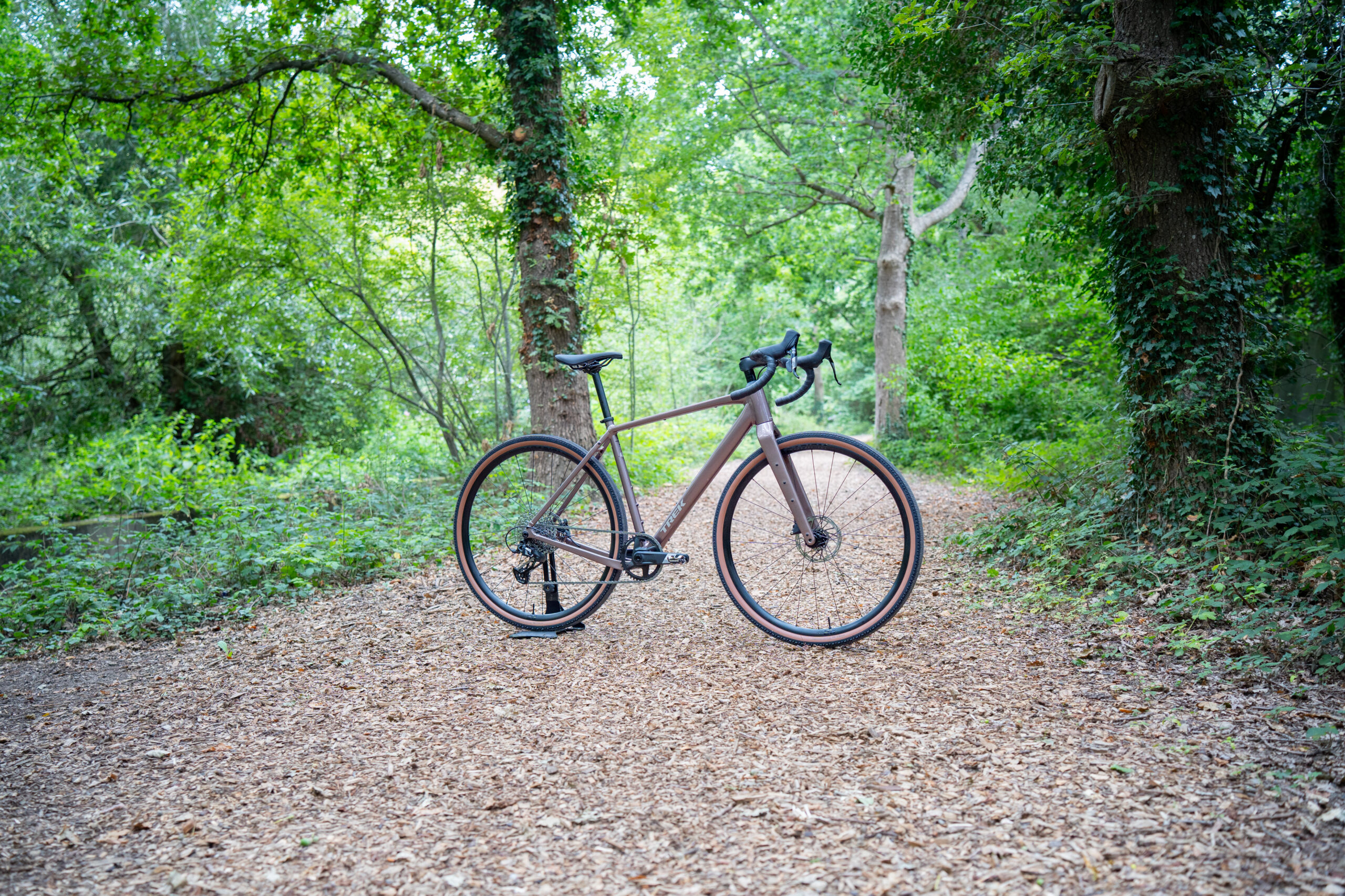
Gravel bikes have exploded in popularity in recent years, offering the speed and efficiency of a road bike with the versatility to tackle rough tracks, bridleways, and long mixed-terrain adventures. At their core, gravel bikes are essentially road bikes with massive tyre clearance, mud tyres or even MTB tyres. That extra tyre volume is transformative: bigger tyres give you more grip, a wider contact patch, and a natural layer of suspension.
When it comes to choosing your gravel bike, one of the most important decisions is frame material. The debate of carbon vs aluminium gravel bikes is ongoing, and both materials have clear advantages and disadvantages. Beyond this, modern manufacturers are introducing clever compliance and suspension systems, from Trek’s IsoSpeed to Specialized’s Future Shock and RockShox Rudy XPLR forks, further blurring the lines of what’s possible.
Let’s break it down.
Aluminium Gravel Bikes: Affordable and Practical
Aluminium has long been the go-to material for entry-level and mid-range gravel bikes. It’s affordable, durable, and relatively easy to manufacture. But how does it perform on rough ground?
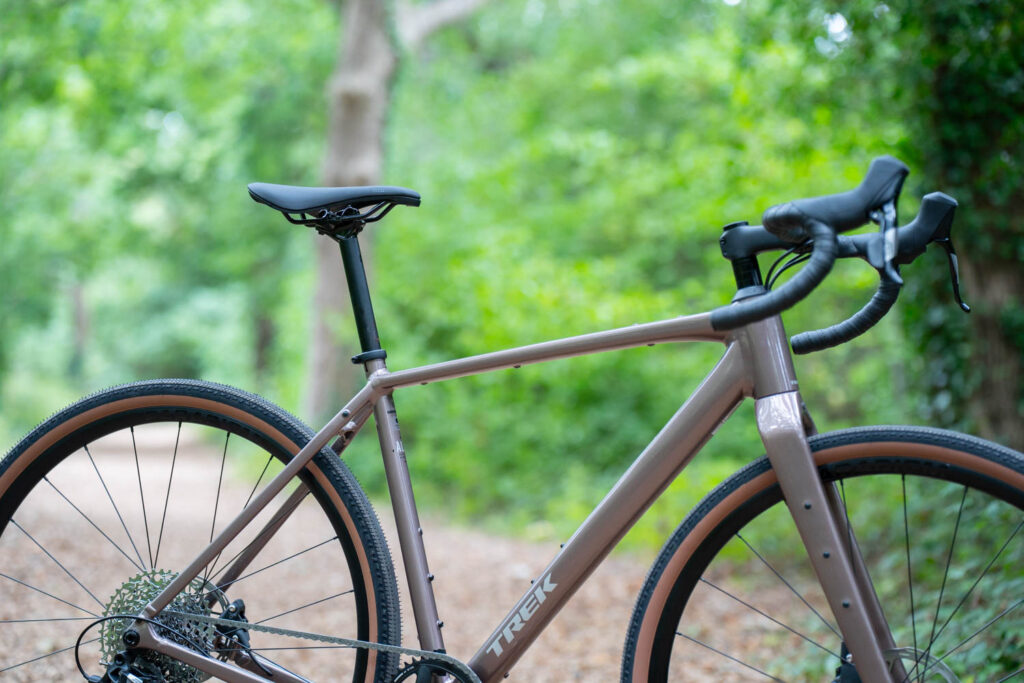
Advantages of aluminium gravel bikes:
- Lower cost – aluminium bikes are typically much cheaper than their carbon counterparts, making them a great entry point into gravel riding.
- Durability – aluminium is tough and resistant to knocks and scrapes, making it a practical choice for everyday riding and commuting.
- Availability – almost every major brand offers aluminium gravel bikes, so there’s a wide range to choose from.
Disadvantages of aluminium gravel bikes:
- Ride quality – aluminium transmits more vibration through the frame, which can make the ride feel harsh on rough terrain.
- Weight – generally heavier than carbon, which can make climbs harder and the bike feel less lively.
- Limited frame shaping – aluminium tubing doesn’t allow for as much design flexibility, meaning fewer compliance features can be built in.
Carbon Gravel Bikes: Lightweight and Tuned for Performance
Carbon fibre is the premium choice for gravel bikes, and with good reason. Not only is it lighter than aluminium, but it also allows for an incredible level of customisation in frame design and performance.
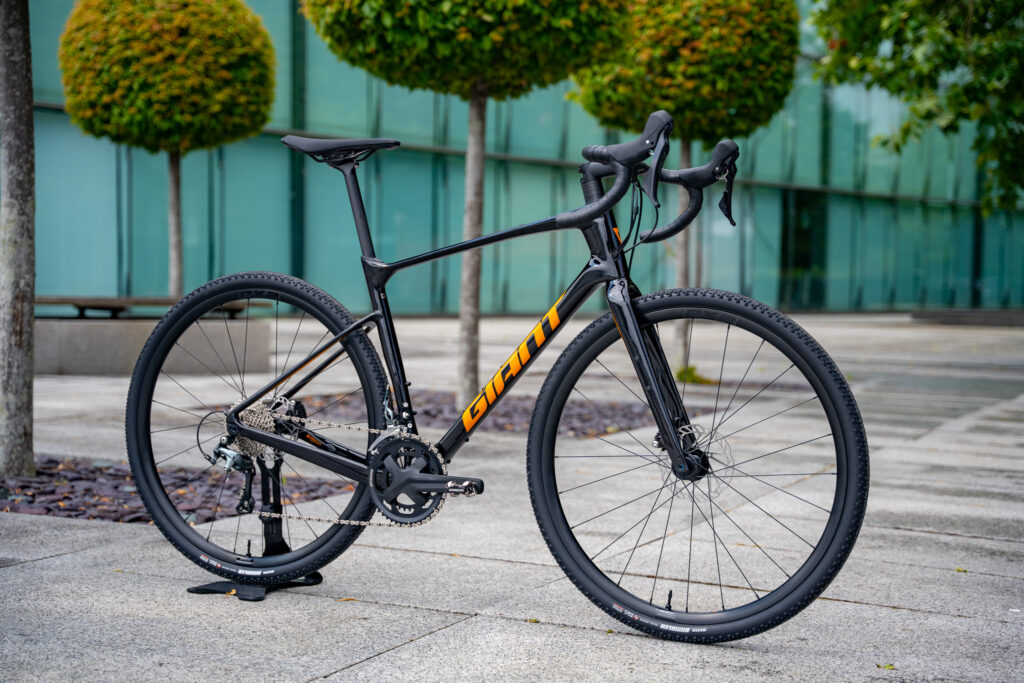
Advantages of carbon gravel bikes:
- Lightweight – carbon bikes are noticeably lighter, making them faster to accelerate and easier to climb with.
- Custom stiffness and compliance – manufacturers can tune carbon layups so the frame is stiff where you need power transfer (like the bottom bracket) and compliant where comfort matters (like the seat tube).
- Advanced frame shapes – carbon allows for aerodynamic tube profiles and integrated design features not possible with aluminium.
- Comfort – carbon can be engineered to flex subtly, softening bumps and vibrations without adding suspension weight.
Disadvantages of carbon gravel bikes:
- Cost – carbon bikes are significantly more expensive, particularly at the high end.
- Durability – while strong, carbon is more vulnerable to crash damage or cracks if it takes a direct impact.
- Fragile – Carbon is more fragile than other frame options, however it can be repaired if you were to crack your frame.
Not All Carbon is Equal: Layups and Quality
It’s important to note that not all carbon bikes are created equal. The type of carbon, the layup process, and the quality of construction can all dramatically change performance.
High-end carbon frames often use advanced layups that optimise stiffness in key areas while keeping the overall frame weight low. Entry-level carbon may use a simpler layup that sacrifices weight or comfort. This means two carbon gravel bikes can feel completely different to ride, even if they look similar.
Suspension and Compliance Features on Gravel Bikes
Tyre volume does a lot of the heavy lifting when it comes to comfort on gravel bikes, but many manufacturers are adding clever compliance features and suspension systems to improve ride feel even further.
- Trek IsoSpeed – a system that allows the seat tube and top tube to move independently, offering extra compliance on rough roads.
- Giant D-Fuse seatpost – designed to flex back and forth under bumps while remaining stiff laterally for efficient pedalling.
- Specialized Future Shock – a small shock built into the headset that provides travel under the stem, helping absorb vibrations before they reach the rider. This is available even on alloy bikes, giving them a surprisingly smooth ride.
- RockShox Rudy XPLR fork – a suspension fork specifically designed for gravel, offering real suspension travel for riders tackling particularly rough terrain or bikepacking routes.
These innovations mean that in some cases, an aluminium bike with features like Future Shock can actually feel smoother than a pure carbon bike without added compliance systems.
Carbon vs Aluminium Gravel Bikes: Which Should You Choose?
The best gravel bike for you depends on your priorities:
- If you’re looking for affordability, durability, and practicality, an aluminium gravel bike is a fantastic option.
- If you want performance, lightweight climbing, and long-distance comfort, carbon will be the better choice.
- For riders tackling racing or endurance events, carbon’s ability to balance stiffness and compliance makes it the standout material.
- If budget allows, consider a bike with compliance features like IsoSpeed or Future Shock for the best mix of speed and comfort.
Top Carbon and Aluminium Gravel Bike Recommendations for 2026
If you’re trying to decide between carbon and aluminium, here are six of the best gravel bikes available right now — carefully chosen for their speed, innovation, and all-round performance.
Best Carbon Gravel Bikes
Best for Speed
Trek Checkmate SLR 9 AXS Gravel Bike 2026
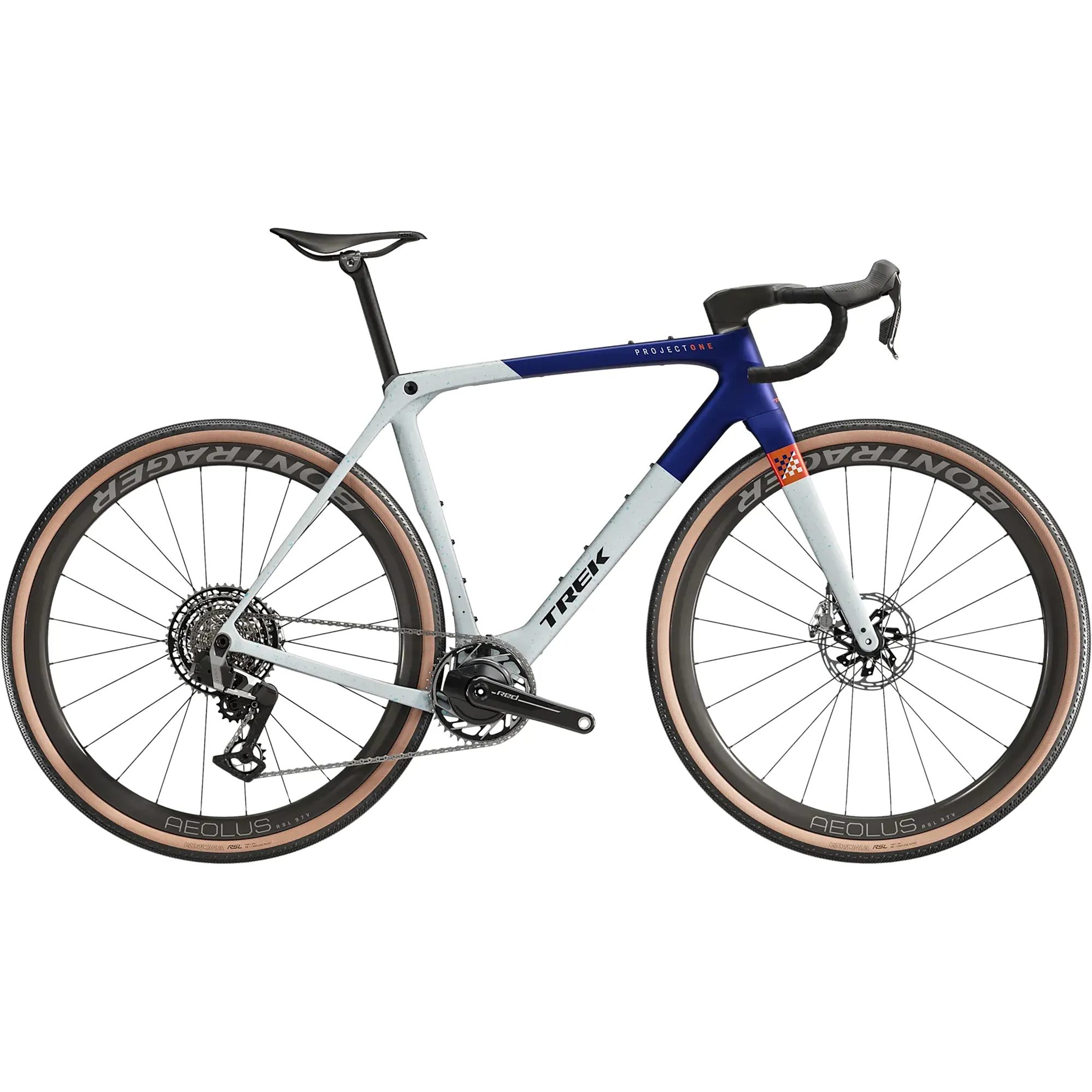
- Frame: 800 Series OCLV carbon with IsoFlow
- Groupset: SRAM Red XPLR AXS wireless
- Wheels/Tyres: Bontrager Aeolus RSL 37V carbon wheels
- Highlights: Ultra-lightweight race bike, electronic wireless shifting, cutting-edge aerodynamics
- Price: £8,950
Best for Innovation
Specialized Diverge 4 Expert AXS Gravel Bike 2026
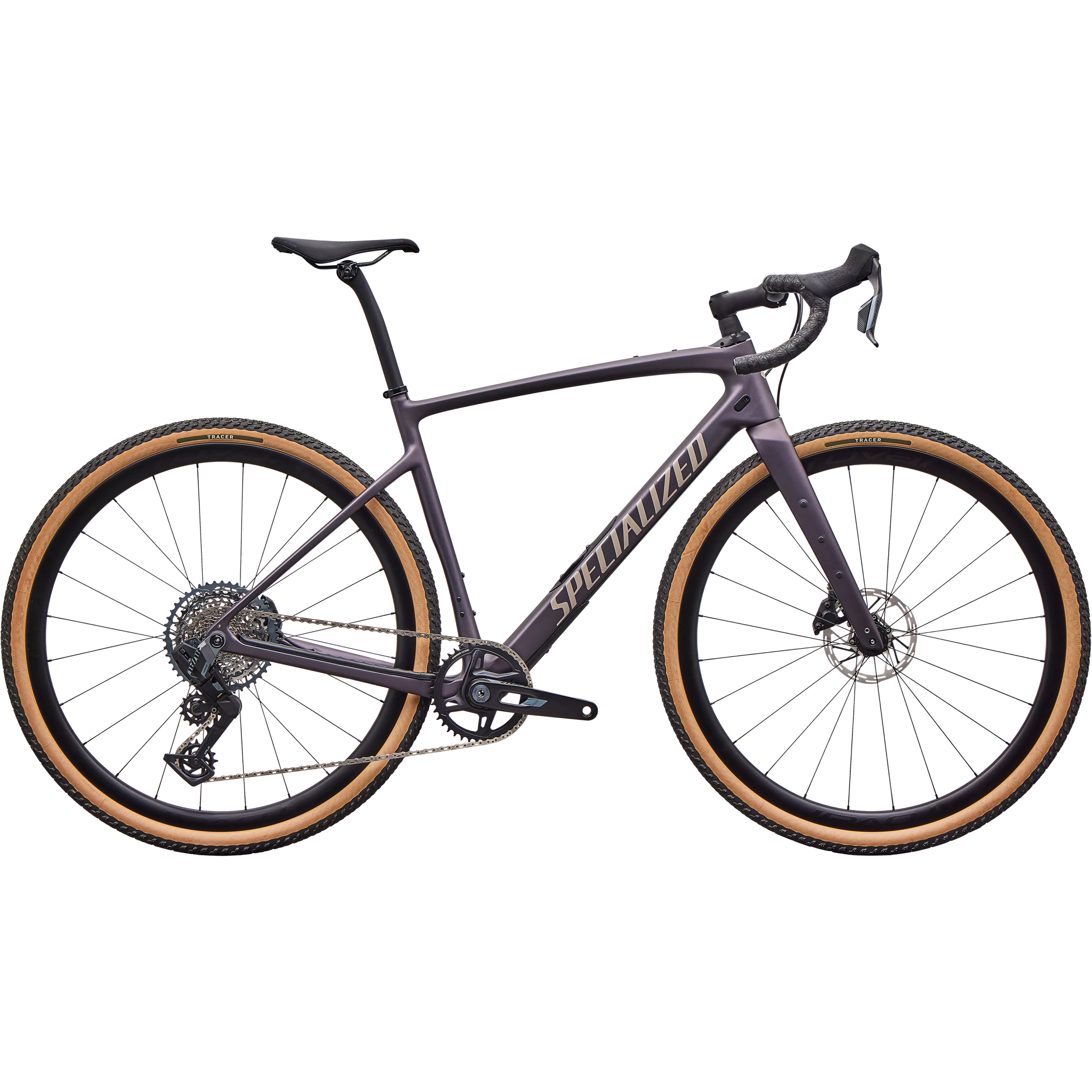
- Frame: FACT 11r carbon with Future Shock 3.0
- Groupset: SRAM Rival XPLR AXS wireless
- Wheels/Tyres: Roval Terra C carbon wheels
- Highlights: Wireless shifting, headset suspension for smoother handling, adventure-ready geometry
- Price: £5,249
View the Specialized Diverge 4 Expert AXS Gravel Bike 2026
Best All-Rounder
Trek Checkpoint SL 5 AXS Gen 3 Gravel Bike 2026
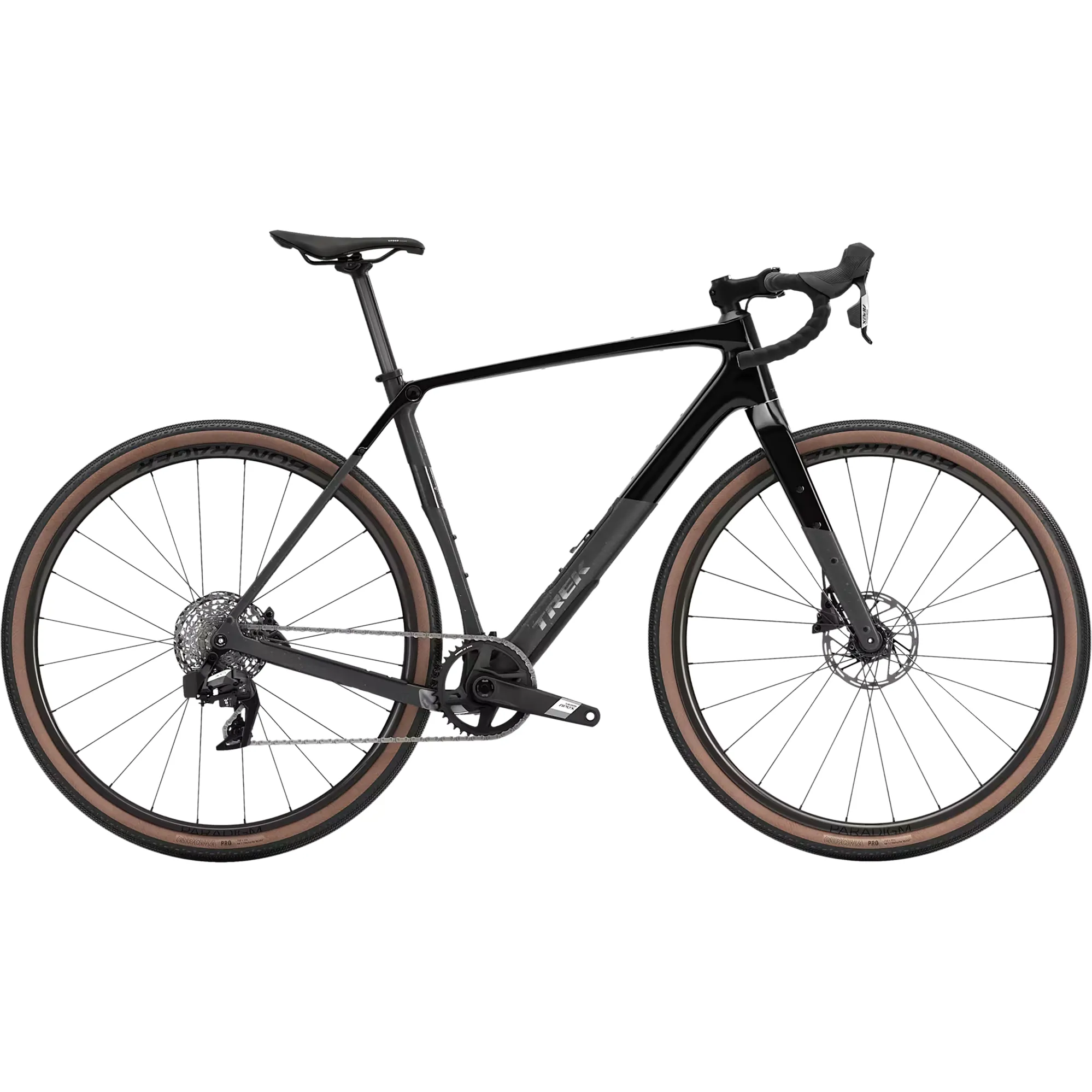
- Frame: 500 Series OCLV carbon with IsoSpeed
- Groupset: SRAM Apex AXS wireless
- Wheels/Tyres: Tubeless-ready Bontrager Paradigm wheels
- Highlights: Balanced all-rounder, IsoSpeed for extra compliance, wireless shifting at a more accessible price
- Price: £2,900
Best Aluminium Gravel Bikes
Best for Speed
Specialized Diverge Comp E5 Gravel Bike 2025
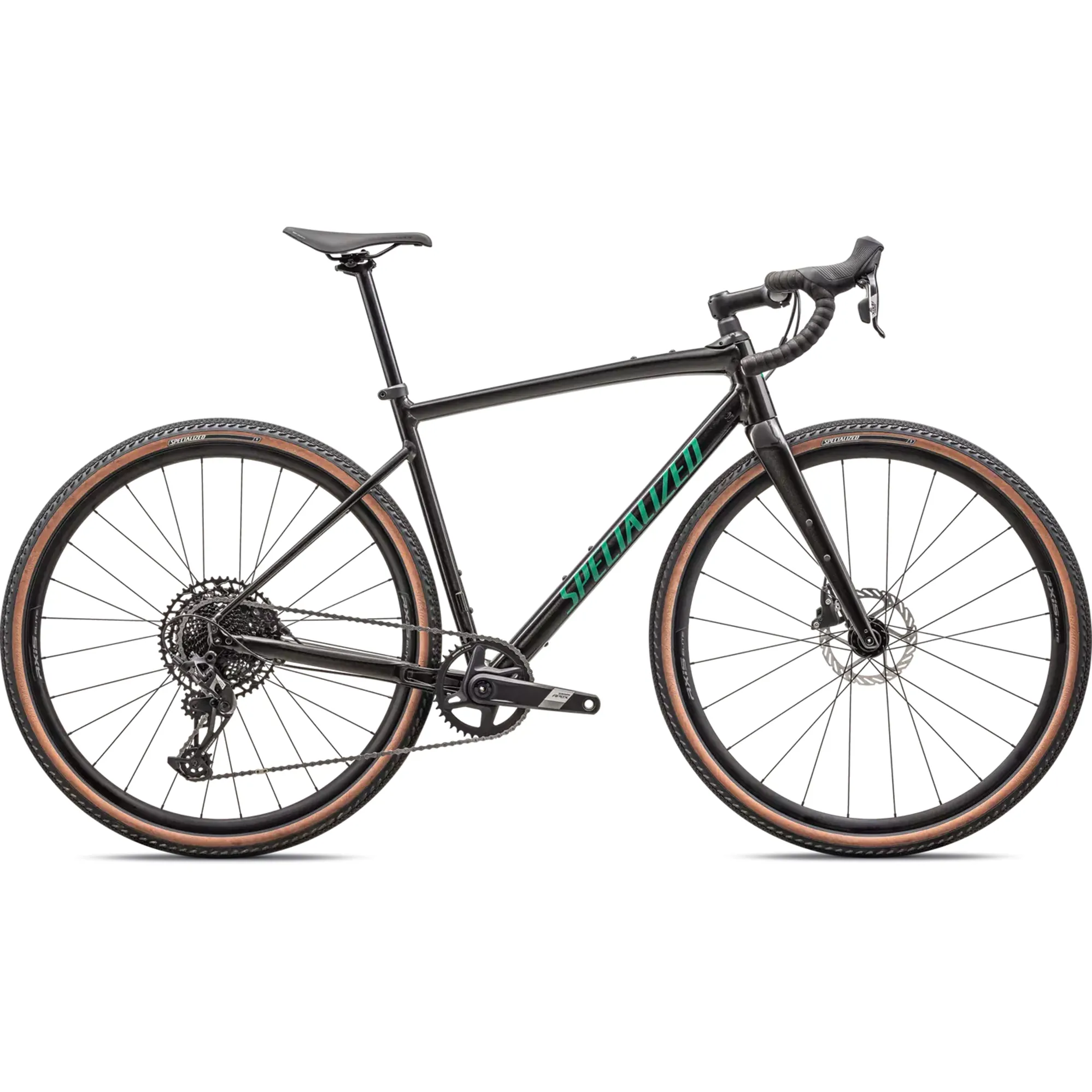
- Frame: Premium E5 aluminium with Future Shock 2.0
- Groupset: Shimano GRX 12-speed
- Wheels/Tyres: DT Swiss alloy wheels with Pathfinder Pro tyres
- Highlights: Race-ready geometry, suspension headset for comfort, versatile and fast
- Price: £1,999.00
£2,500.0020% off
Best for Innovation
Specialized Diverge 4 E5 Comp Alloy Gravel Bike 2026
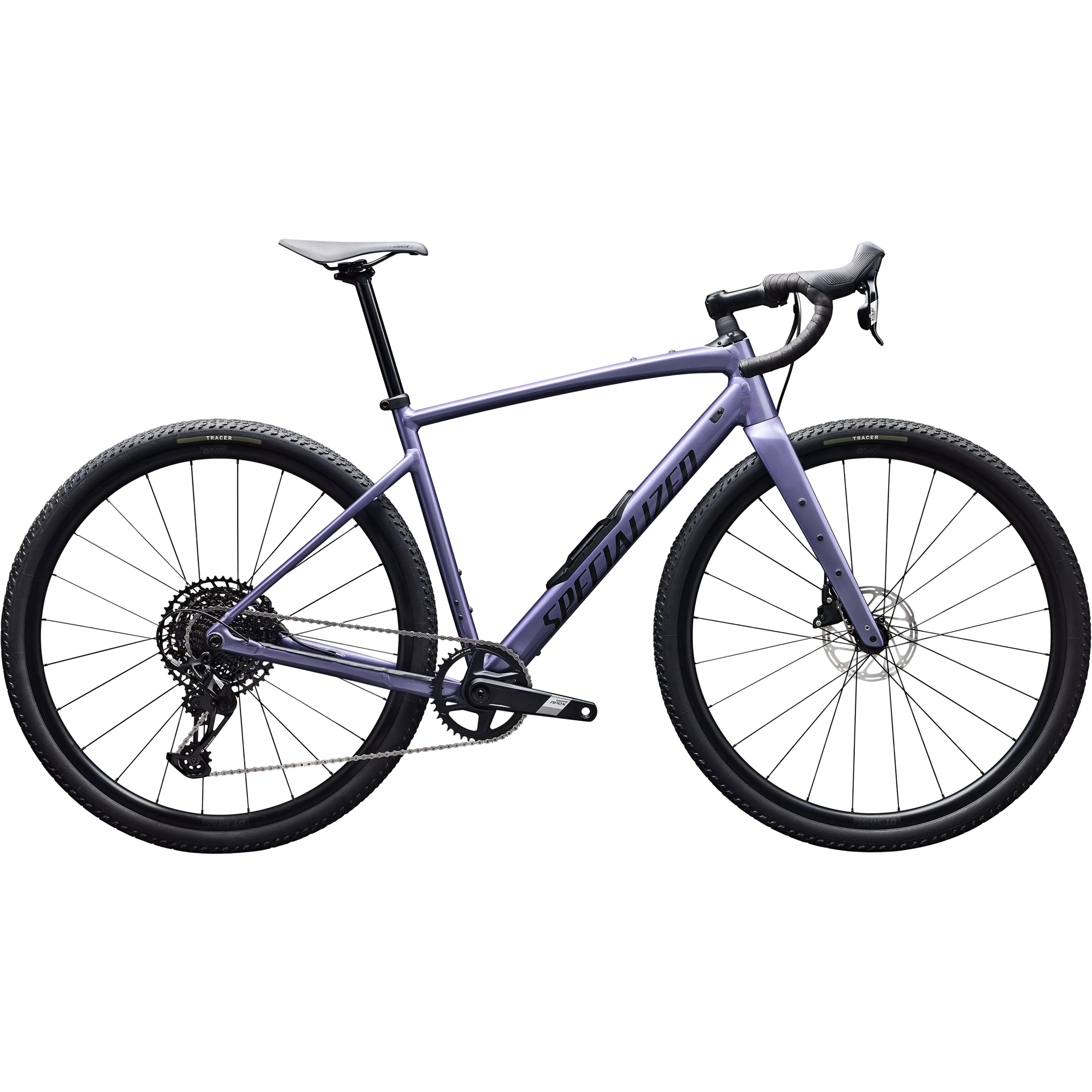
- Frame: E5 alloy with Future Shock 3.0
- Groupset: Shimano GRX 610 12-speed
- Wheels/Tyres: Axis Elite wheels with Pathfinder Pro tyres
- Highlights: High-tech suspension system, massive tyre clearance, adventure-focused setup
- Price: £2,399
Best All-Rounder
Trek Checkpoint ALR 5 Gravel Bike 2026
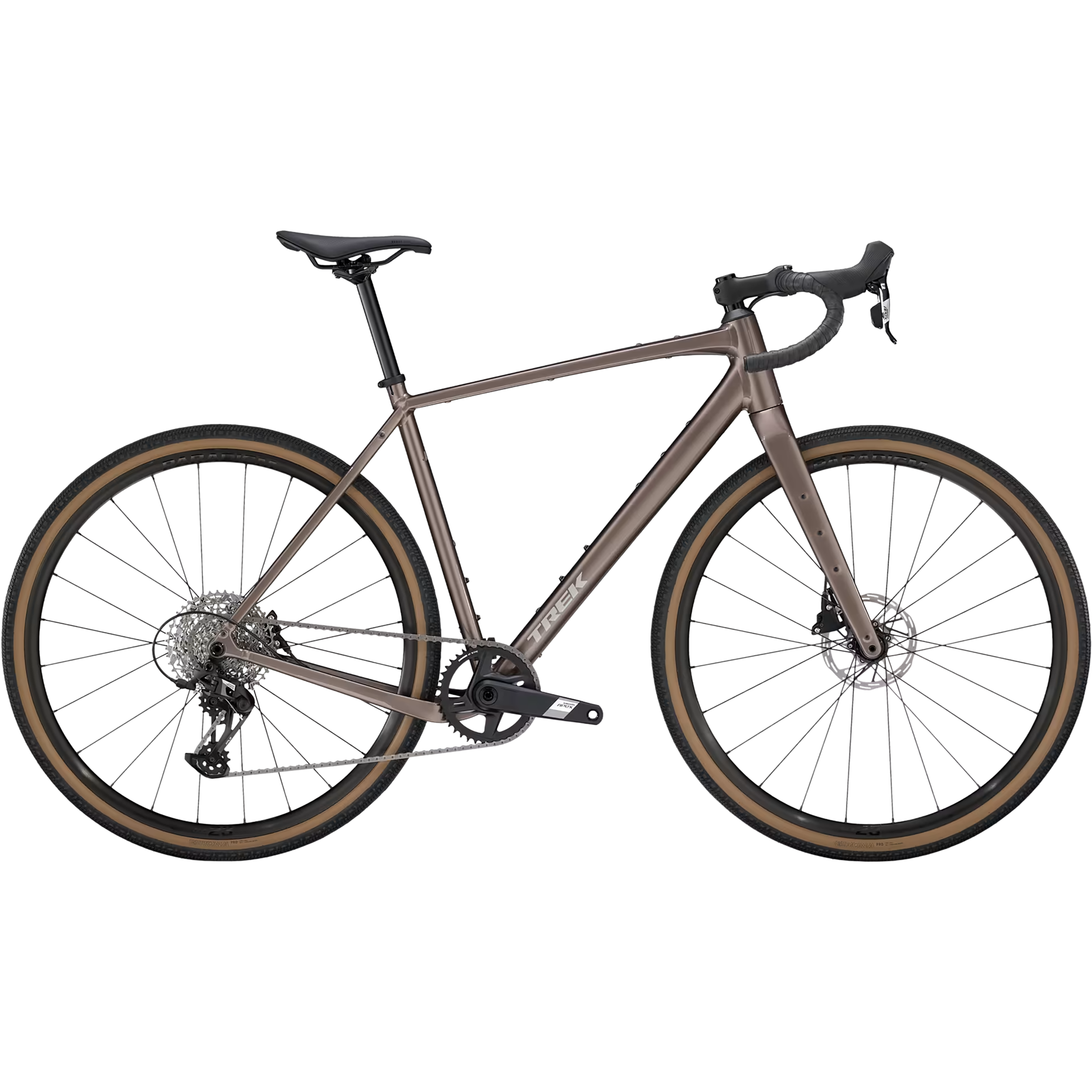
- Frame: 300 Series Alpha aluminium
- Groupset: Shimano GRX 600 12-speed
- Wheels/Tyres: Tubeless-ready Bontrager Paradigm wheels
- Highlights: Durable and versatile, mounts for racks and mudguards, ideal for long adventures and bikepacking
- Price: £1,700
FAQs on Carbon vs Aluminium Gravel Bikes
Is carbon or aluminium better for gravel bikes?
Carbon is generally better for performance thanks to its lightweight and customisable stiffness-to-comfort ratio. Aluminium is cheaper and tougher, making it a good option for budget-conscious or beginner riders.
Do gravel bikes need suspension?
Not always. Wide tyres provide natural suspension, but features like Trek IsoSpeed, Specialized Future Shock, or Rudy XPLR forks add comfort on rough terrain. Whether you need it depends on how and where you ride.
Are carbon gravel bikes worth the money?
Yes, if you want the best performance and comfort. Carbon bikes are lighter and smoother, especially over long distances. But if your priority is durability and cost, aluminium is the better value.
Is aluminium more durable than carbon?
Aluminium is less vulnerable to crash damage however , while carbon can crack under impact it is easy to repair. For everyday knocks and scrapes, aluminium is usually more forgiving.
What’s the difference between carbon grades in bikes?
Higher-grade carbon uses more advanced layups that reduce weight and allow better control of stiffness and compliance. Entry-level carbon frames may be heavier and less refined, even if they look similar to high-end models.
Final Thoughts
Gravel bikes are about versatility and adventure. Aluminium gravel bikes give you a cost-effective, tough, and reliable ride, while carbon gravel bikes unlock the highest levels of performance, efficiency, and comfort. Add in tyre choice and innovative compliance systems, and today’s gravel bikes are more capable than ever.
Whether you’re chasing podiums or just exploring new routes, choosing the right frame material and features will define your gravel experience.