Upgrading your wheels is one of the biggest performance gains you can make. The right wheelset can transform how your bike accelerates, how stable it feels in crosswinds, and how efficiently you roll across different terrain. With more options than ever, from deep-section aero carbon wheels to lightweight climbing builds. Knowing what matters is key.
This guide breaks down everything you need to consider before investing in a new set of wheels.
Hooked vs Hookless Rims
One of the biggest choices today is whether to go for hooked or hookless rims. The difference might look small, but it has a big impact on how your tyres fit and perform.
Hooked rims have been the traditional standard. A small inward lip locks the tyre bead in place, which allows much higher inflation pressures, including 90–100 psi for narrow road tyres. They’re compatible with both tubeless and clincher setups, giving you the broadest choice of tyres. If you want flexibility or plan to stick with narrower tyres at higher pressures, hooked is the safer bet.
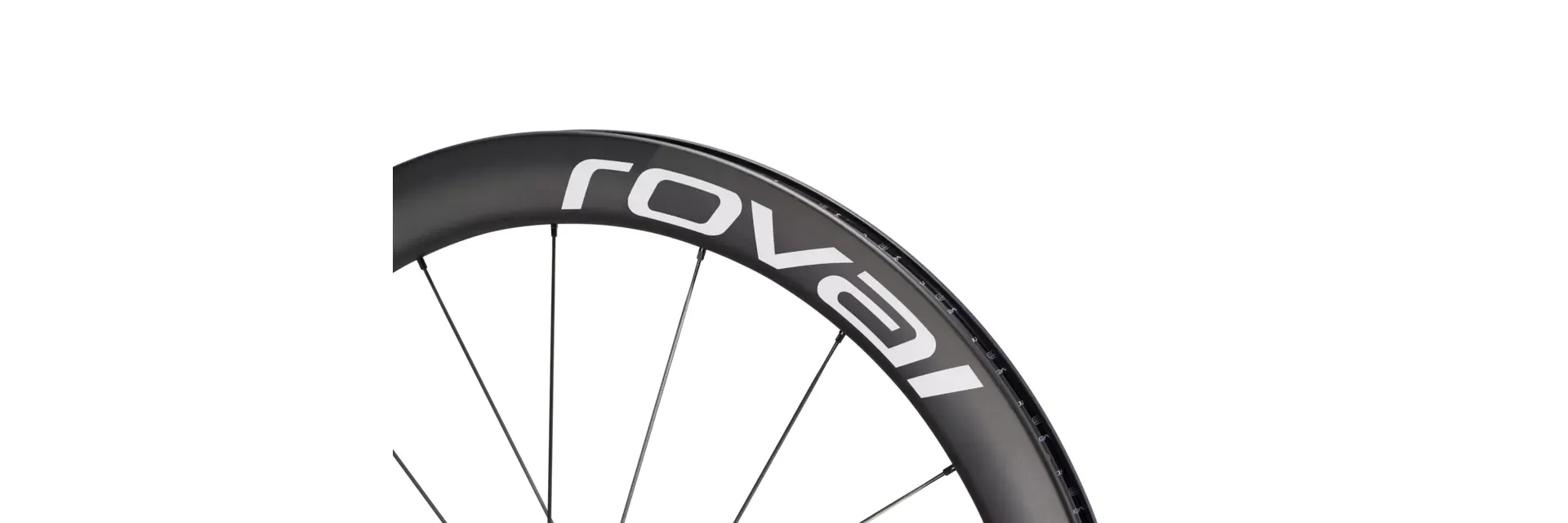
Hookless rims remove that lip and instead use a straight sidewall. This makes manufacturing simpler, creates stronger and lighter rim walls (especially in carbon), and pairs perfectly with modern wider tyres. Most hookless rims are built with wider internals (23–25mm), which spread tyres out for more volume, grip, and comfort. The trade-off is pressure limits: hookless rims are capped at 72 psi under ETRTO standards, and you must use tyres labelled hookless-approved.
Hookless can also give a smoother tyre-to-rim interface, which improves aerodynamics and stability. But remember, tyres can measure wider than their label when mounted. For example, a 30mm tyre on a 25mm hookless rim will often inflate to ~31.5mm. That means more comfort and grip, but you’ll need to check frame clearance carefully.
In summary:
- Hooked rims = higher pressures, wider tyre compatibility, proven design.
- Hookless rims = Stronger sidewalls, optimised for modern wide tubeless tyres, but limited to lower pressures and approved tyres only.
Internal Rim Widths
The internal width of a rim (measured between the bead seats) dictates how the tyre sits and how much volume it creates. Wider internals spread the tyre casing, making it measure larger than the number printed on the sidewall.
- Narrower internals (19–21mm): Traditional road widths. A 28–30mm tyre will measure close to its stated size, but the profile is rounder, offering quicker handling but less cornering grip.
- Mid-width internals (22–23mm): The modern standard. Tyres grow slightly beyond their label (around +0.5–1mm), creating a squarer profile with more stability and control.
- Wide internals (25mm): The cutting edge for road setups. A tyre can grow by ~1.5mm, increasing volume, comfort, and grip, though the external rim width needs to match to avoid aero penalties.
Case Study: A 30mm Tyre Across Different Internals
- 21mm internal: Measures ~30mm. Rounder profile, agile feel, less stability in corners.
- 23mm internal: Measures ~30.7–31mm. Balanced profile, stable but still lively.
- 25mm internal: Measures ~31.5mm. Bigger footprint, more grip and comfort, but may affect aerodynamics if the rim’s external width is too narrow.
Internal width doesn’t just change numbers, it reshapes the tyre’s profile, which affects comfort, rolling resistance, grip, and aero.
External Rim Widths
The external rim width is one of the most important, and overlooked, wheel specs. It influences aerodynamics, tyre fit, and how stable the bike feels in crosswinds.
The rule of 105%
The “rule of 105%” says the external rim should be at least 105% as wide as the inflated tyre. This isn’t just a tunnel test hack, it’s about real-world control. By keeping airflow attached as it moves from tyre to rim, you reduce turbulence and drag. That smoother airflow not only saves watts but also reduces the side forces that make bikes twitchy in gusts, improving crosswind stability as well as aero performance.
If the tyre sticks out wider than the rim, airflow detaches early, creating drag and increasing the “sail effect” when the wind hits from the side.
Different brand approaches
Manufacturers solve this problem in different ways:
- Specialized Roval CL II and CL III: Narrower internals paired with thicker external sidewalls. This prevents tyres from stretching too wide while keeping enough external width to satisfy the 105% rule.
- ENVE SES 4.5: A 25mm internal rim for more tyre volume and lower rolling resistance, while keeping the external width broad enough to stay aero with 28–32mm tyres. This is why Tadej Pogačar raced the SES 4.5 at the Tour de France.
- Alternative solutions ; Zipp and Princeton: Some brands focus more on rim shaping.
- Zipp’s 454 NSW uses a sawtooth (jagged) rim profile, with rim depth varying in a wave pattern. This breaks up how crosswinds hit the wheel, shedding side forces more gradually. Zipp pair this with a relatively modest 28mm external width.
- Princeton CarbonWorks use a similar wavy profile to spread wind loads more evenly and deliver calmer, more predictable handling in gusty conditions.
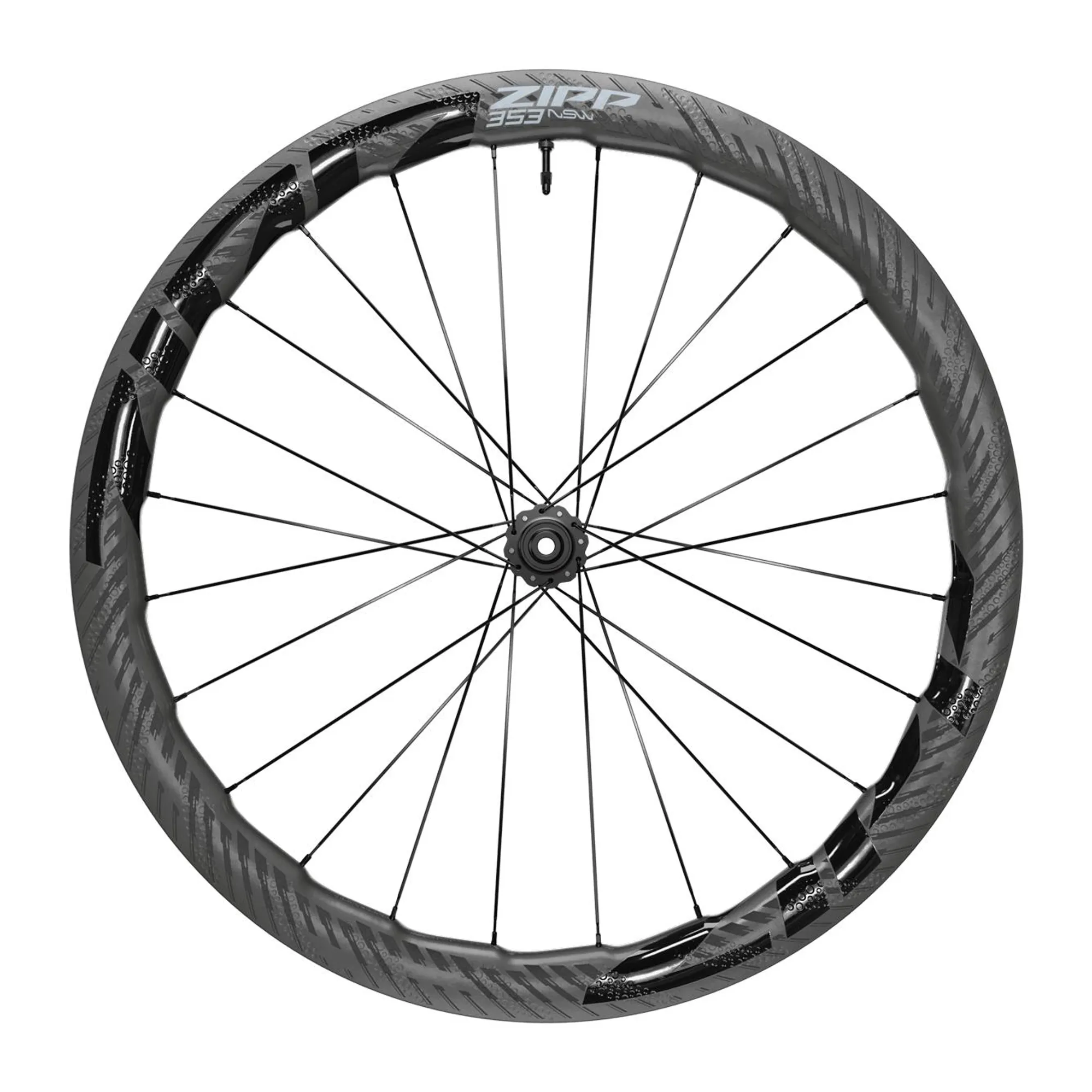
External rim width isn’t just about numbers. Whether it’s Roval’s thicker sidewalls, ENVE’s wide internals, or the wavy profiles from Zipp and Princeton, brands are all chasing the same outcome: wheels that stay fast and stable in the real world.
Tyre-to-Rim Ratio Considerations
The relationship between rim width and tyre width affects not only performance but also safety.
- Too narrow a tyre on a wide rim: Can stretch the casing, making the ride harsh and reducing tyre durability.
- Too wide a tyre on a narrow rim: Creates a bulbous “lightbulb” shape that feels vague in corners and increases rolling resistance.
Rule of thumb:
- Internal rim width × 1.4 = minimum tyre width.
- Internal rim width × 2.0 = maximum tyre width.
For example, a 23mm internal rim works best with tyres between 32–46mm. Staying within these ratios avoids handling issues, blow-off risks, and instability.
Spoke Choice: Carbon vs Steel
Spokes have a huge impact on stiffness, ride feel, and serviceability.
Steel (stainless): The proven standard. Durable, reliable, and easy to replace. Steel spokes have a touch of compliance, which helps absorb road buzz and keeps the ride feel smoother. They strike a balance between stiffness for power transfer and comfort for long days in the saddle.
Carbon spokes: Extremely light and very stiff, carbon spokes boost responsiveness and power transfer, especially in sprints or on steep climbs. But that stiffness comes at a cost — it transmits far more vibration through the bike, leading to a much harsher ride. From personal experience, running carbon-spoked wheels almost demands wider tyres at lower pressures to smooth out the ride. Without them, the harshness can be fatiguing on anything but perfect tarmac.
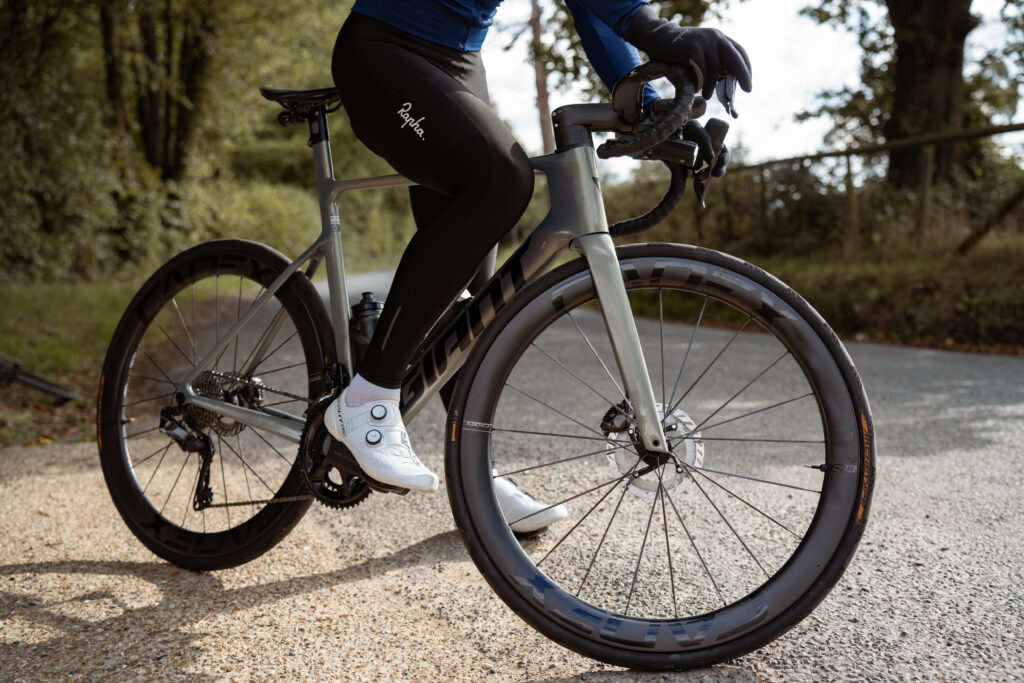
For most riders, steel spokes strike the best balance of performance and practicality. Carbon spokes are best left for racers who prioritise maximum stiffness and efficiency — and who are prepared to pair them with wide, supple tyres to take the edge off.
Wheel Depth
Rim depth is one of the most visible, and impactful, aspects of a wheelset. It affects aerodynamics, weight, handling, and even comfort.
- Shallow rims (30–40mm): Light and agile. These wheels accelerate quickly, climb well, and are easier to control in gusty crosswinds.
- All-Rounder (50mm): Aerodynamic, Stable and lightweight, what more could you ask for.
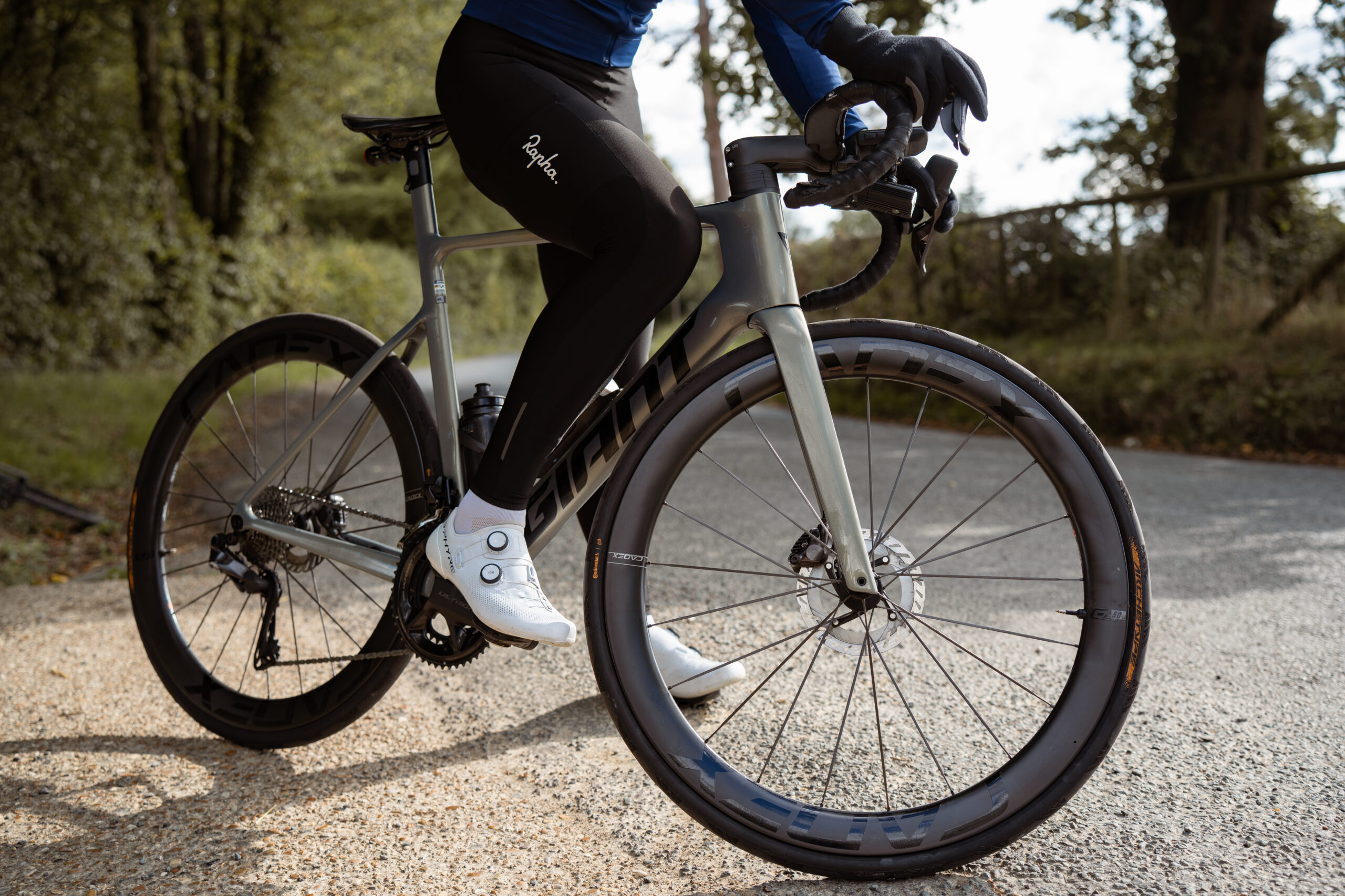
- Deep rims (60mm+): Maximum aero advantage. These wheels are built for speed on the flat and in time trials, but they’re heavier, slower to accelerate, and more sensitive to crosswinds.
The 50mm “Standard”
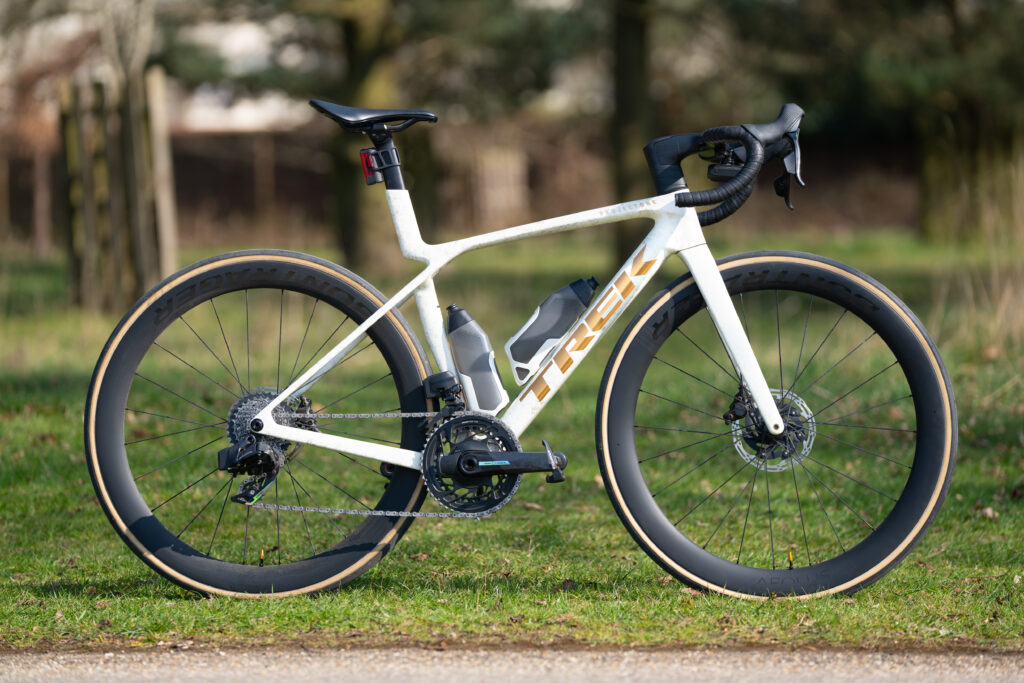
Sitting right in the middle, 50mm rims have quietly become the default depth for OEM (Original Equipment Manufacturer) carbon wheels — the wheels that come stock on high-end bikes straight from the brand. Most premium road bikes now ship with ~50mm wheels because they strike the perfect balance between aero gains and versatility:
- Deep enough to be noticeably faster on flat and rolling roads.
- Not so deep that they’re unmanageable in crosswinds.
- Light enough to climb well, especially with modern carbon layups.
It’s no coincidence that the pro peloton and high-end consumer bikes have converged on this depth. If you want one set of wheels to do everything — from racing to long training rides — 50mm rims are often the safest bet.
Think of 50mm as the all-rounder’s sweet spot: the depth that balances speed, stability, and versatility.
Hubs and Bearings
The hub is the engine of the wheel, affecting smoothness, durability, and responsiveness.
- Engagement: The freehub mechanism uses pawls or ratchets that “bite” when you pedal. More points of engagement mean quicker power transfer — useful in sprints or technical riding. Engagement also affects noise:
- High-engagement hubs (lots of teeth or pawls) are usually louder, producing the classic buzzing freehub sound.
- Lower-engagement hubs tend to be quieter, with fewer clicks per revolution.
Some riders love a loud hub for the presence and “warning” it gives in group rides; others prefer the stealth of a near-silent hub.
- Bearings:
- Steel bearings are durable, affordable, and easy to maintain.
- Ceramic bearings reduce friction and feel smoother, though the real-world speed gains are minimal unless you’re racing at a high level.
- Coated vs uncoated ceramic bearings: Uncoated ceramic bearings can wear quickly if grit or water gets in, as the hard ceramic balls grind into softer steel races. Coated ceramic bearings (using DLC or hybrid coatings) harden the races, making them more resistant to wear and corrosion. They retain smoothness for longer but at a higher cost.
- Sealing: Strong hub sealing is crucial, especially for wet-weather riding. Even the best bearings won’t last if water and grit get inside.
For most riders, a well-sealed hub with quality steel bearings offers the best blend of value, smoothness, and durability. Ceramic bearings, especially coated ones, make sense for racers chasing marginal gains, but they’re overkill for everyday use.
Key Specs to Look For in a Wheelset
When comparing wheels, focus on these specs:
- Weight: Lighter wheels accelerate and climb better. Heavier wheels hold momentum on flats.
- Rim depth:
- 30–40mm: Climbing and all-round use.
- 45–55mm: Mid-depth, versatile aero all-rounders.
- 60mm+: Deep-section aero wheels for racing and time trials.
- Tubeless compatibility: Standard for modern wheels, lowering rolling resistance and reducing puncture risk.
- Tyre clearance: Determines what sizes you can run safely.
- Freehub body: Ensure compatibility with Shimano, SRAM XDR, or Campagnolo.
Our Wheelset Recommendations
After breaking down all the key considerations, here are four wheelsets that stand out as the best in their category.
Best Climbing Wheel: Cadex Max 40
If climbing is your priority, the Cadex Max 40 is hard to beat. At just 1250 grams, it’s one of the lightest disc-brake wheelsets on the market. The 40mm depth keeps weight down for steep climbs while also giving a slight aerodynamic advantage for shallow gradients. Despite being so light, it’s tubeless-ready and strong enough for everyday use.
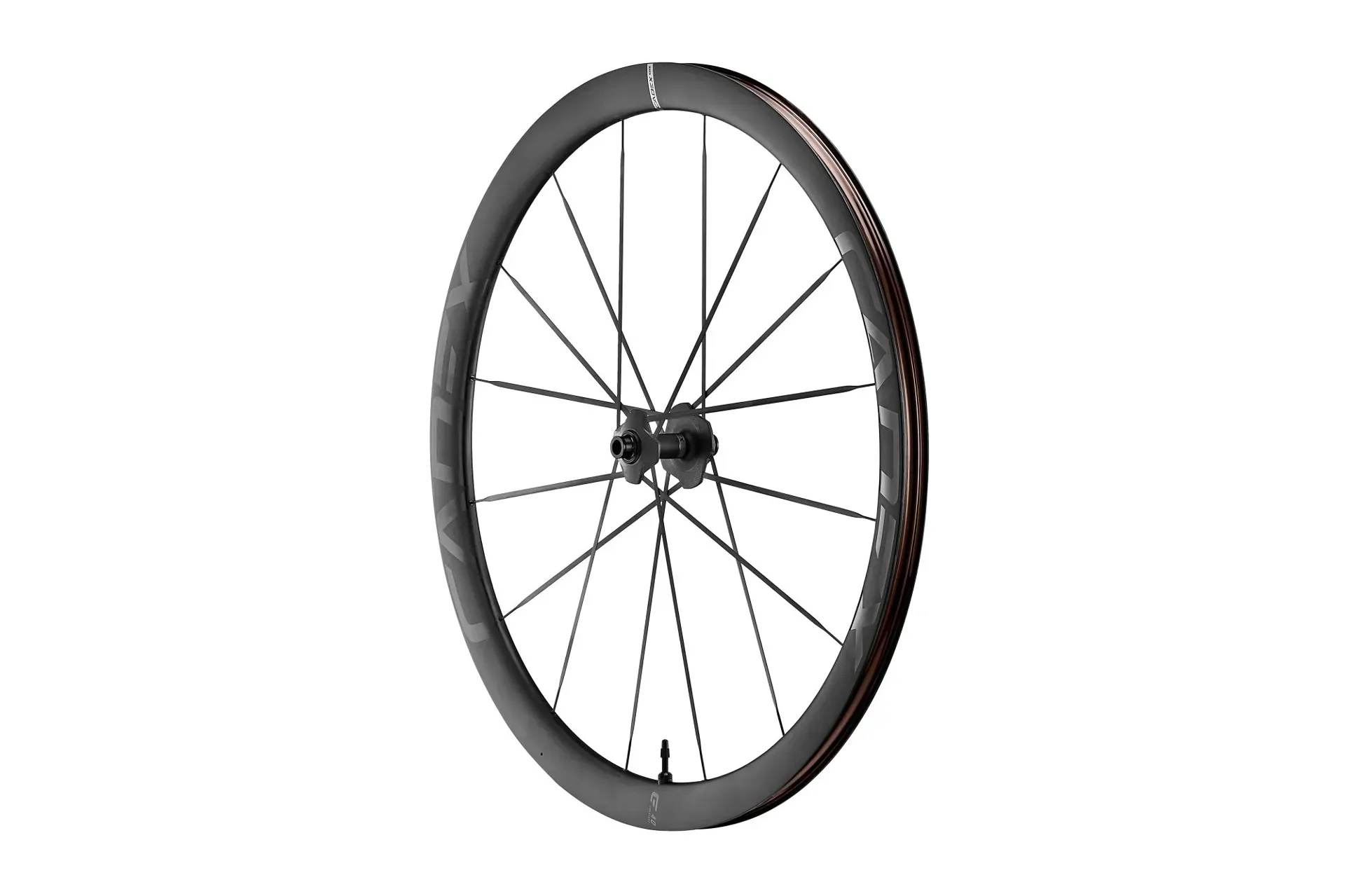
Specs:
- Depth: 40mm
- Internal Width: 22.4mm
- External Width: 28mm
- Spokes: Super Aero carbon spokes (Carbon)
- Weight: ~1,249g
Why it’s the best climber: Minimal weight, lightning-fast acceleration, and a lively feel on the steepest climbs. Perfect for riders who want every advantage in the mountains.
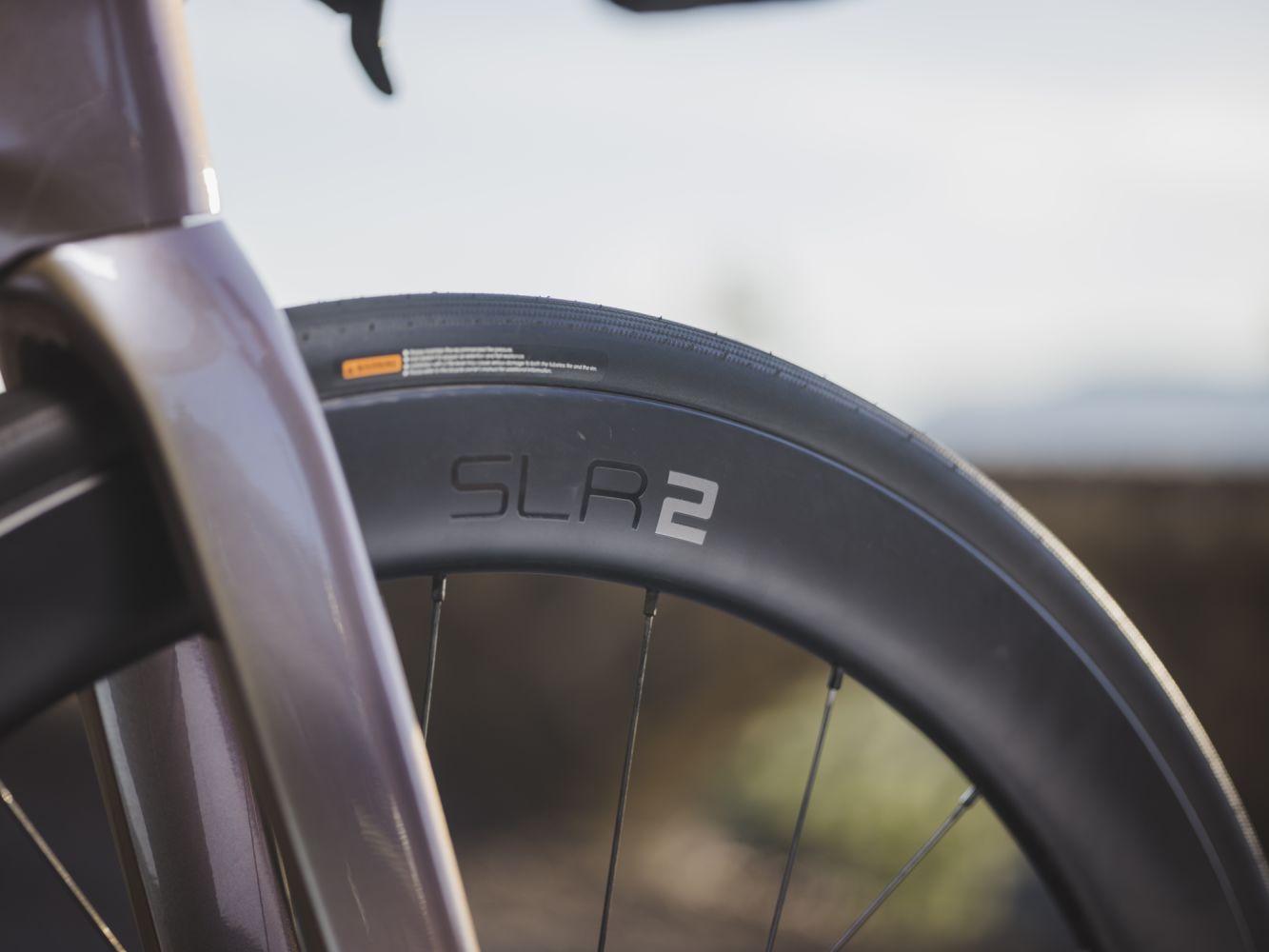
Best Budget Wheel: Giant SLR 2 50 Disc
The Giant SLR 2 50 Disc is a standout budget option that punches far above its price point. With a 50mm rim depth and a hookless, tubeless-ready design, it offers modern performance at an affordable price. At 1535 grams, it’s light enough for climbing while still versatile for all-round riding.

Specs:
- Depth: 50mm
- Internal Width: 22.4mm
- External Width: 30mm
- Spokes: Sapim Sprint (Steel)
- Weight: ~1,686g
Why it’s the best budget pick: A full carbon, tubeless wheelset with excellent weight and stiffness at a price that makes it accessible to more riders.
Best Aero Wheel: ENVE SES 6.7
For riders chasing speed, the ENVE SES 6.7 delivers uncompromising aerodynamics. With a deep-section 60mm front and 67mm rear, these wheels are built for racing at high speed, cutting through the wind and holding momentum on the flat. The wide 23mm internal width pairs perfectly with 28–32mm tyres, giving both speed and stability.
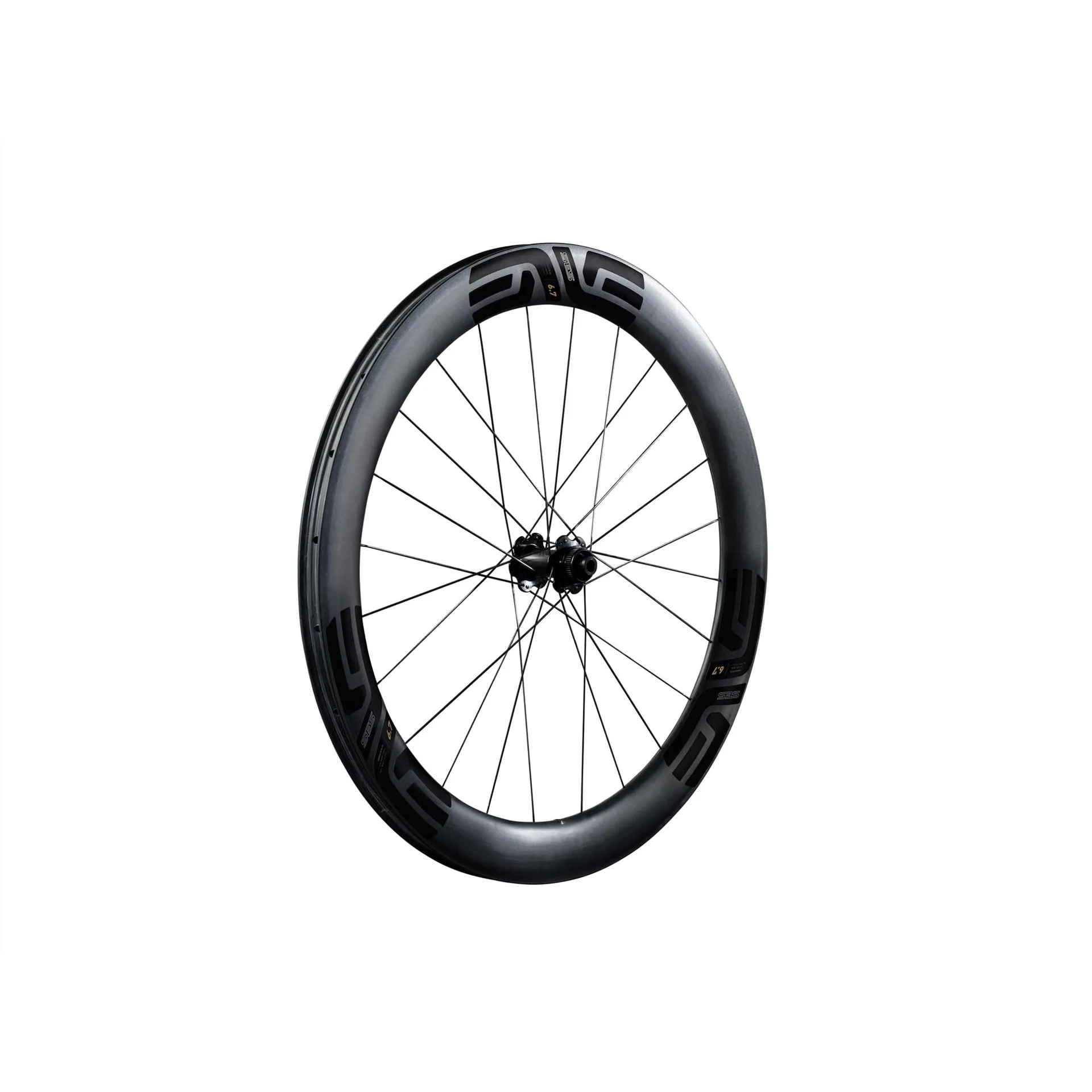
Specs:
- Depth: 60mm (front) / 67mm (rear)
- Internal Width: 23mm
- External Width: 30mm
- Spokes: SAPIM CX-Ray (Steel)
- Weight: ~1,457g
Why it’s the best aero wheel: Pro-level aerodynamics and real-world stability, proven at the highest level of racing. Ideal for time trials, crits, and fast road races.
Best All-Round Wheel: Cadex 50 Ultra
The Cadex 50 Ultra is designed as the ultimate all-rounder. With a 50mm depth, it hits the aero sweet spot while remaining light enough for climbing. The hookless 22.4mm internal width pairs seamlessly with modern wide tyres, and the aero-optimised carbon spokes keep stiffness high without adding weight. It’s fast, versatile, and ready for anything from racing to long-distance rides.
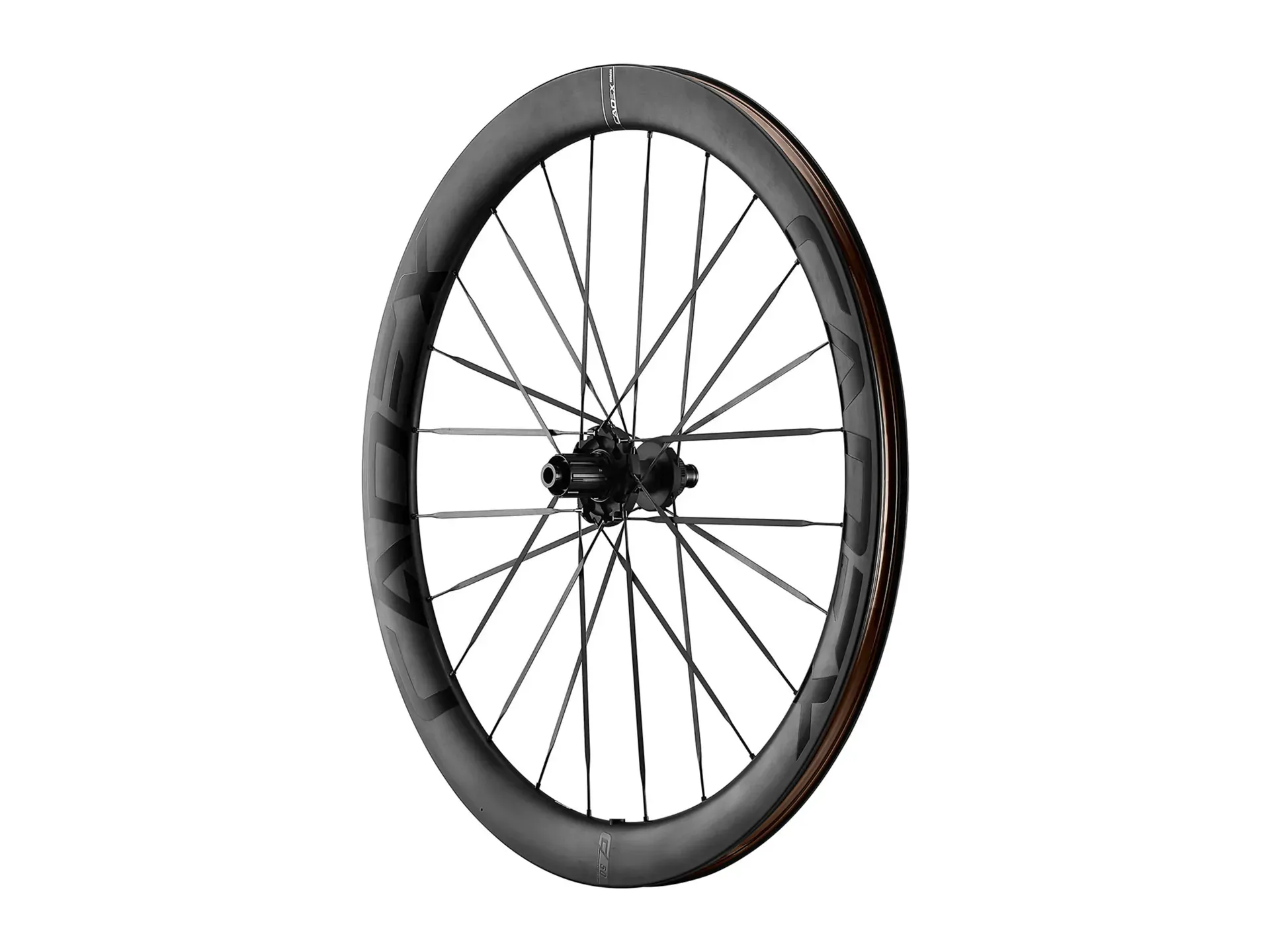
Specs:
- Depth: 50mm
- Internal Width: 22.4mm
- External Width: 30mm
- Spokes: Super Aero carbon spokes (Carbon)
- Weight: ~1,349g
Why it’s the best all-rounder: 50mm depth for versatility, cutting-edge aero design, and class-leading stiffness make this the wheelset you can take anywhere.
Final Thoughts
The right wheels can completely change how your bike feels and performs. Whether you prioritise weight, aerodynamics, or versatility, understanding rim design, tyre compatibility, spokes, depth, and hubs will help you make an informed choice. From the latest wide hookless aero rims to classic hooked designs that still excel, there’s a perfect wheelset for every rider.