
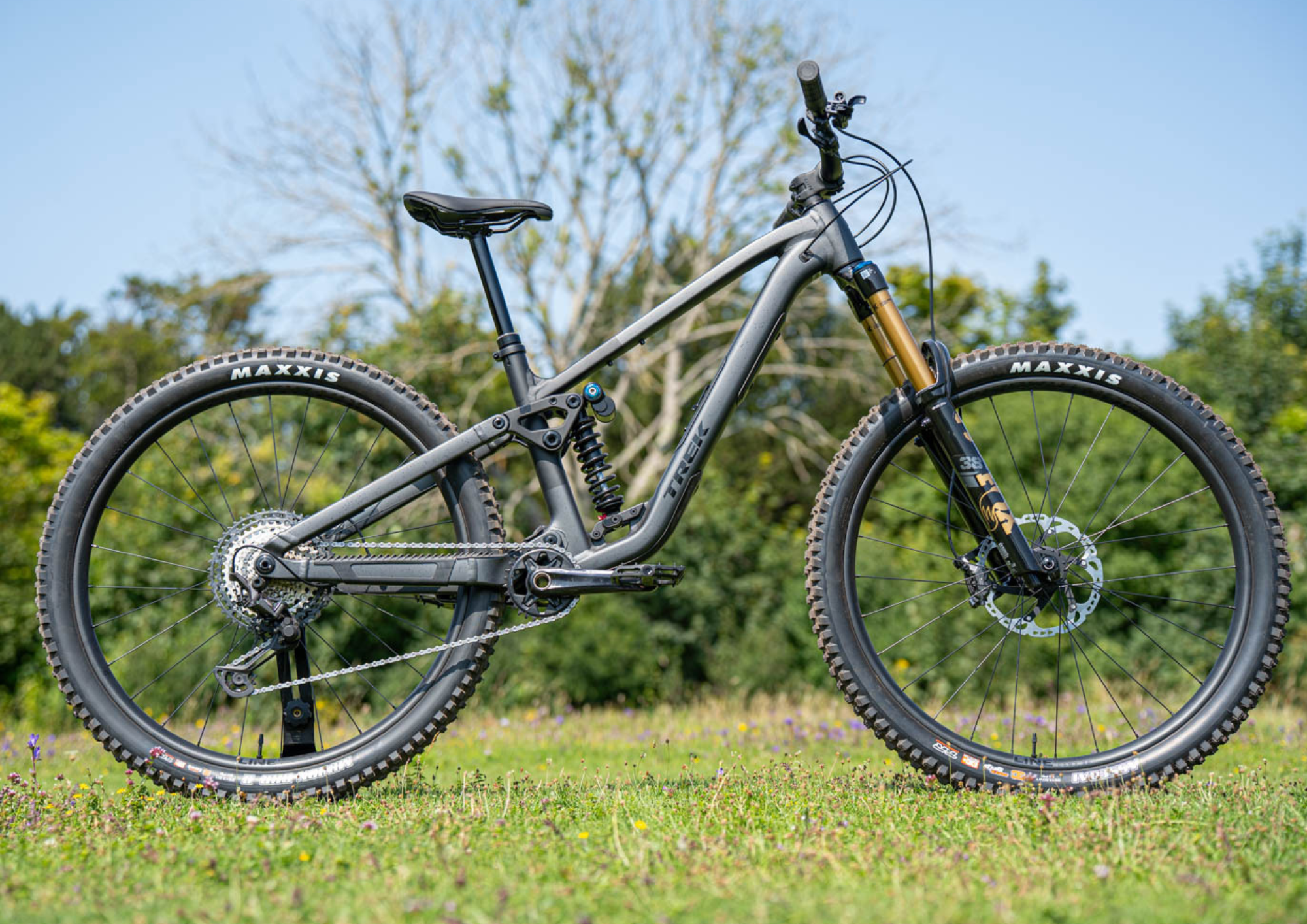
When it comes to rear suspension on your mountain bike, few debates get riders chatting like the classic coil vs air shock conversation. Whether you’re upgrading your rig, building a dream bike, or just curious about what those shiny bits do under your seat, understanding the differences can make a real impact on how your bike feels out on the trail.
In this post, we’ll break down what coil and air shocks are, the pros and cons of each, and how your bike’s suspension design (think progressive vs linear) plays a big role in choosing the right shock.

First Up: What’s the Difference Between Coil and Air Shocks?
Coil shocks use a steel or titanium spring that compresses when you hit bumps. Simple, mechanical, but don’t let that fool you. Coil shocks are still the go-to for certain riders and bikes.
Air shocks, on the other hand, use pressurised air in a chamber. You adjust the air pressure to suit your weight and riding style, making them very versatile. Most modern trail and enduro bikes come with air shocks as standard, and they’ve come a long way in recent years.
Coil Shock Pros:
✅ Consistent Performance
Coil shocks are known for feeling buttery smooth and consistent – especially on long, rough descents. They’re a favourite among downhill and gravity riders.
✅ Sensitive Off the Top
That first part of travel – the small bump sensitivity, is where coil shines. It feels plush right from the get-go, making for a planted, grippy ride.
✅ More Linear Feel
Coils provide a more consistent (linear) resistance through the travel, which some riders feel gives them better control and predictability.
Coil Shock Cons:
❌ Heavier
A steel spring isn’t light. Even with titanium options, coil shocks usually weigh more than their air equivalents which isn’t ideal if you’re chasing grams or climbing a lot.
❌ Less Adjustable
Tuning a coil shock means swapping springs to change the spring rate (how stiff it is). Not as convenient as just adding a few PSI like with an air shock.
❌ Not Ideal for All Bikes
Some suspension platforms are designed with air shocks in mind. Throwing a coil on a bike that has a linear suspension curve can lead to bottoming out too easily.
Air Shock Pros:
✅ Lightweight
Air shocks are generally lighter, which helps with climbing and overall bike feel.
✅ Highly Adjustable
Need to adjust your spring rate? Just add or remove air. Want to change the progression? Add volume spacers. Perfect for riders who like to dial things in.
✅ Better for Linear Frames
Because they naturally ramp up in firmness through the travel, air shocks work well with bikes that have linear suspension curves.
Air Shock Cons:
❌ More Maintenance
Air shocks have more seals and moving parts. They can wear out faster and require more regular servicing.
❌ More Pre-Ride Checks
Changes in temperature and elevation can affect shock pressure. To keep your bike feeling the same every ride, you will need to regularly check its air pressure.
❌ Less Sensitive Initially
That small bump sensitivity? It’s just not always as plush as coil, unless the shock is well-tuned or has plenty of adjustment.

So Which Shock Is Better – Coil or Air?
It depends on you, your riding style, terrain, bike frame, and preferences.
If you’re into bike park laps, enduro racing, or downhill shredding and you prioritise a plush, consistent ride, coil might be your best mate.
If you’re riding varied terrain, doing big climbs, or you like to tweak your setup regularly, an air shock offers more flexibility and efficiency.
What About Suspension Design?
This is where things get a little more technical, but stick with us. Your bike’s suspension layout has a big impact on how a coil or air shock performs.
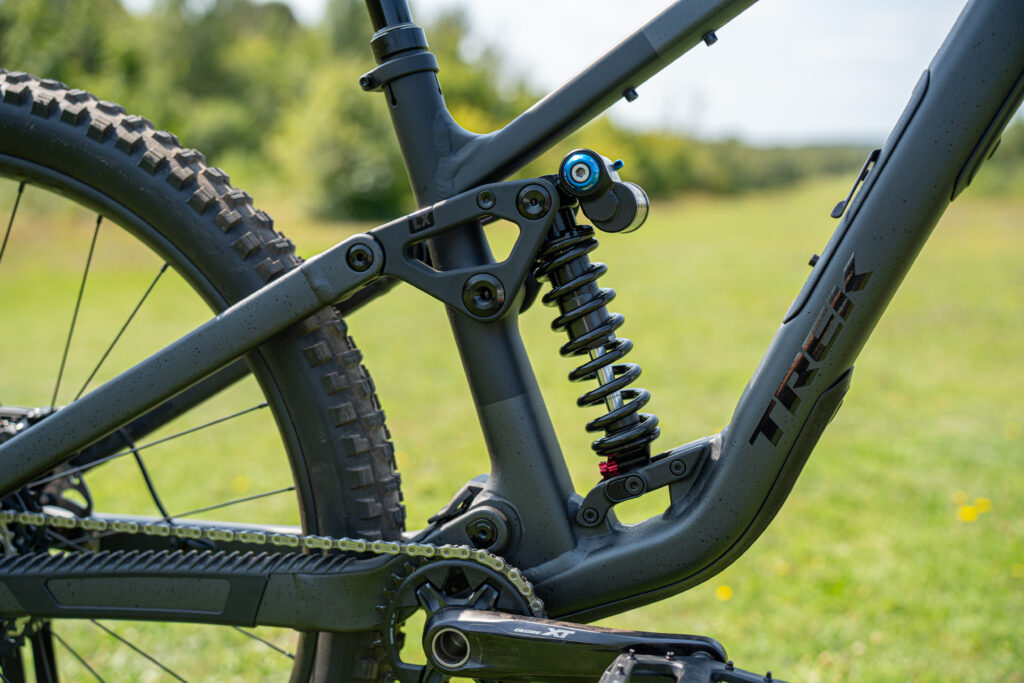
Linear vs Progressive Suspension Curves
Think of your bike’s rear suspension travel as a curve. How much force does it take to compress the shock throughout its stroke?
- Linear: The force needed to compress the shock stays fairly consistent from the start of travel to the end. This makes the suspension feel predictable, but it can also make it easier to “bottom out” – using up all your travel on big hits if the shock doesn’t ramp up.
- Progressive: The force ramps up the deeper you go into the travel. That means it’s easier to use the first part of travel for grip and comfort, but much harder to bottom out on big impacts.
Why It Matters
- Air shocks are naturally progressive because air gets harder to compress the further it’s squashed. That makes them a perfect match for linear suspension frames – the shock’s ramp-up adds the extra resistance the frame design lacks, helping prevent harsh bottom-outs.
- Coil shocks are naturally linear, so they work best with progressive suspension frames. The frame’s built-in ramp-up provides that end-stroke support, letting you enjoy the coil’s incredible small-bump sensitivity without blowing through all your travel too quickly.
Bonus Tip: Check with Your Frame Manufacturer
Some bikes aren’t rated for coil shocks, either because of space, shock stroke, or suspension kinematics. Always check with your frame manufacturer (or ask us!) before making the swap.
Final Thoughts: Matching the Right Shock to the Right Rider
There’s no clear-cut “winner” between coil and air. It’s all about finding what works for you and your riding style.
Here’s a quick summary:
| Feature | Coil Shock | Air Shock |
| Weight | Heavier | Lighter |
| Adjustability | Low (spring swaps) | High (Air pressure, tokens) |
| Small Bump Sensitivity | Excellent | Good |
| Progressivity | Linear | Naturally progressive |
| Maintenance | Low | Higher |
| Ideal For | DH, Enduro, Park | All Disciplines (Bike Dependent) |
Still unsure? That’s what we’re here for. Whether you’re riding fast and loose in the bike park or chasing every KOM on your local loop, we can help you choose the best rear shock for your bike and your goals.
Got Questions?
Pop into one of our stores for a chat, or drop our support team a message. We ride these bikes ourselves and are always happy to talk suspension, setup, and how to get more out of your mountain bike.