What It Is, How It Works, and Why It Matters
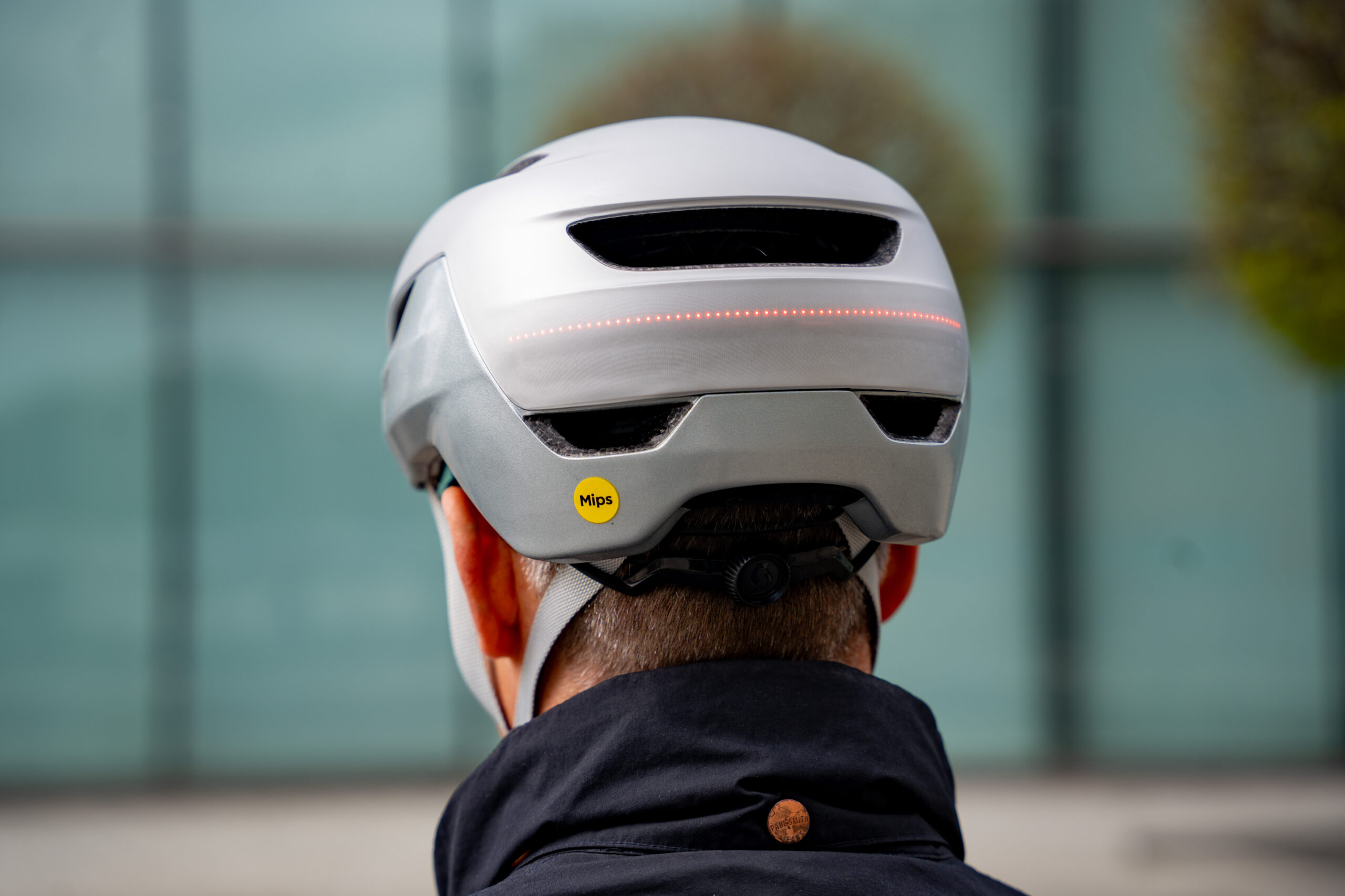
If you have ever spotted a small yellow sticker on a bike helmet, or noticed a bright yellow layer inside, you have already seen MIPS in action, even if you did not know what it was.
MIPS stands for Multi-Directional Impact Protection System, and it is one of the most significant safety developments in modern helmet design. Since its launch, MIPS has been adopted by over a hundred helmet brands worldwide and is available in hundreds of helmet models across cycling, mountain biking, and other sports. Its rapid adoption is no accident; the system offers a proven way to reduce the risk of serious brain injury.
Whether you ride to work through traffic, take on weekend gravel adventures, or race down technical MTB descents, MIPS is a feature worth knowing about before buying your next helmet.
What Is MIPS?
MIPS is a safety technology designed to reduce the rotational forces on the brain that can occur during an angled impact, the type of crash that is far more common than a straight-on hit.
A standard helmet is highly effective at absorbing direct, linear impacts. However, when it comes to the twisting motion your head experiences in most real-world crashes, traditional designs do not offer as much protection. MIPS fills that gap with a low-friction layer that works alongside your helmet’s existing structure.
The concept is inspired by your own anatomy. Between your skull and brain is a layer of fluid that allows the brain to shift slightly, helping protect it from rotational forces. MIPS mimics this natural “slip” mechanism to give your head the same kind of movement buffer in a crash.
How MIPS Works
Inside a MIPS-equipped helmet, there is a thin, low-friction layer placed between the shell and the padding.
In an angled crash, this layer allows the helmet to move 10–15mm independently from your head. That small amount of movement helps redirect and reduce the rotational energy that would otherwise be transferred directly to your brain.
It is a tiny adjustment that can make a huge difference, especially considering that a crash impact happens in as little as 5–10 milliseconds. In that fraction of a second, forces on the head are extreme, and any reduction in strain can be critical.
Other Helmet Safety Technologies
MIPS is the most widely available rotational impact protection system, but it is not the only one. Different brands have developed their own approaches to tackling the same problem, each with their own strengths and compromises.
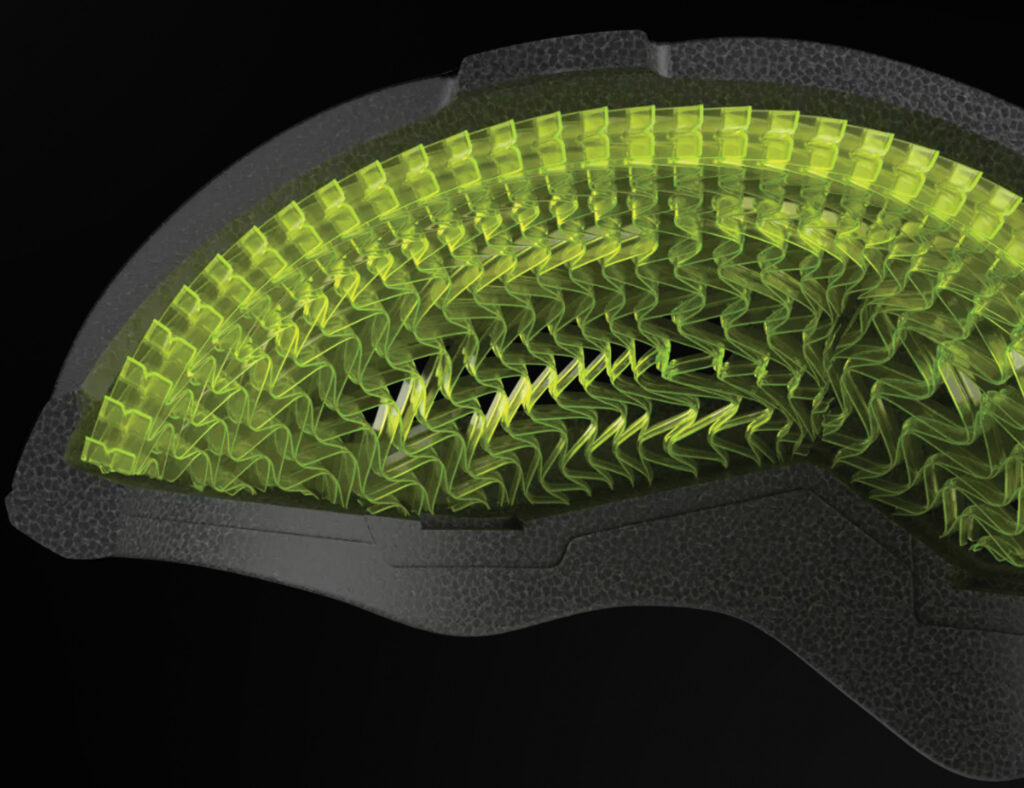
- WaveCel: Trek and Bontrager’s honeycomb-like liner that flexes, crumples, and glides in stages to manage both linear and rotational forces.
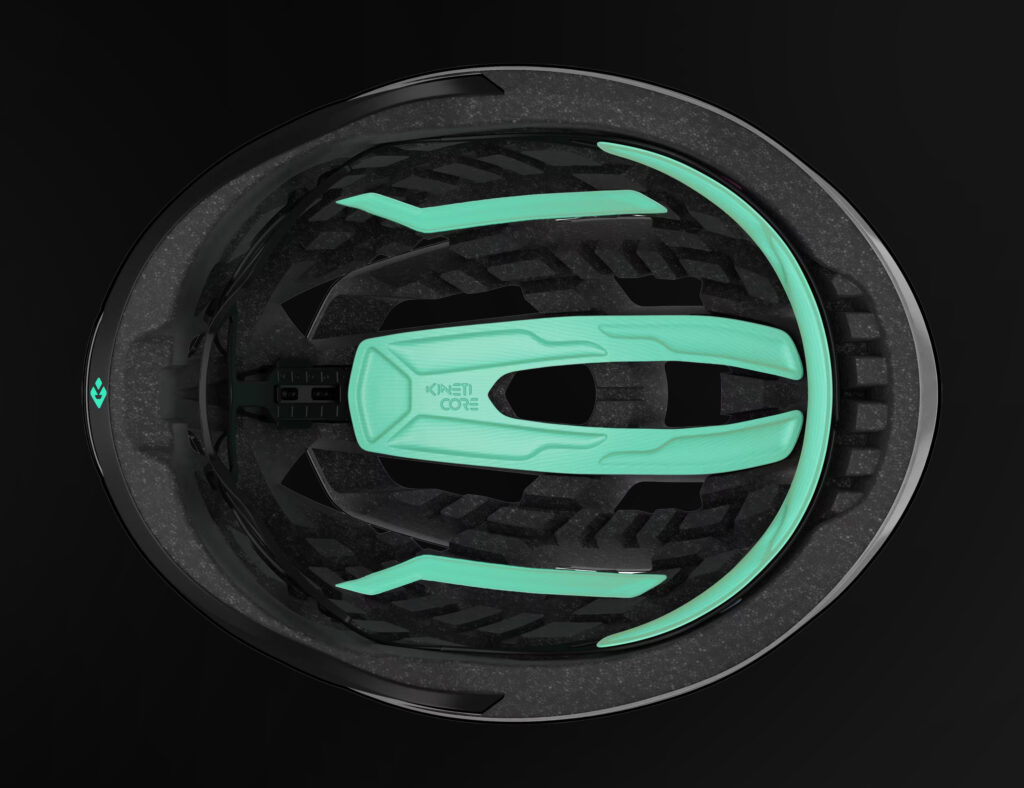
- KinetiCore: Lazer’s integrated crumple zones within the helmet foam, reducing weight and improving ventilation without adding a separate layer.
While the engineering differs, the goal is the same; reducing the rotational forces that can cause brain injury. Which system you choose often comes down to helmet fit, riding style, and personal preference.
WaveCel
Trek and Bontrager’s honeycomb-like liner that flexes, crumples, and glides in stages to manage both linear and rotational forces.
KinetiCore
Lazer’s integrated crumple zones within the helmet foam, reducing weight and improving ventilation without adding a separate layer.
Why MIPS Is a Smart Investment
Whether you are riding in traffic, racing, or exploring off-road, crashes are unpredictable. MIPS offers:
- Proven performance in independent tests: Safety research groups such as Virginia Tech consistently rank MIPS helmets among the best for impact protection.
- Addresses the most common crash scenario: Angled impacts are far more frequent than direct, head-on hits.
- No comfort penalty: Early MIPS designs sometimes affected helmet fit, but today’s models integrate the system from the start, so weight and ventilation remain unaffected.
- Broad availability: Found in helmets across disciplines and price points, making it easy to find one that suits your budget and riding style.
Key Takeaways
Your helmet is the most important piece of safety gear you own. Technologies such as MIPS have raised the bar for head protection, offering a proven way to reduce the forces that cause concussions and other serious injuries.
Whether you are weaving through city traffic, grinding up gravel climbs, or taking on technical singletrack, a helmet with rotational impact protection is one of the smartest upgrades you can make. In the moment that matters most, it could make all the difference.